Induction Hob in Singapore: Is It the Right Choice for Your Kitchen?
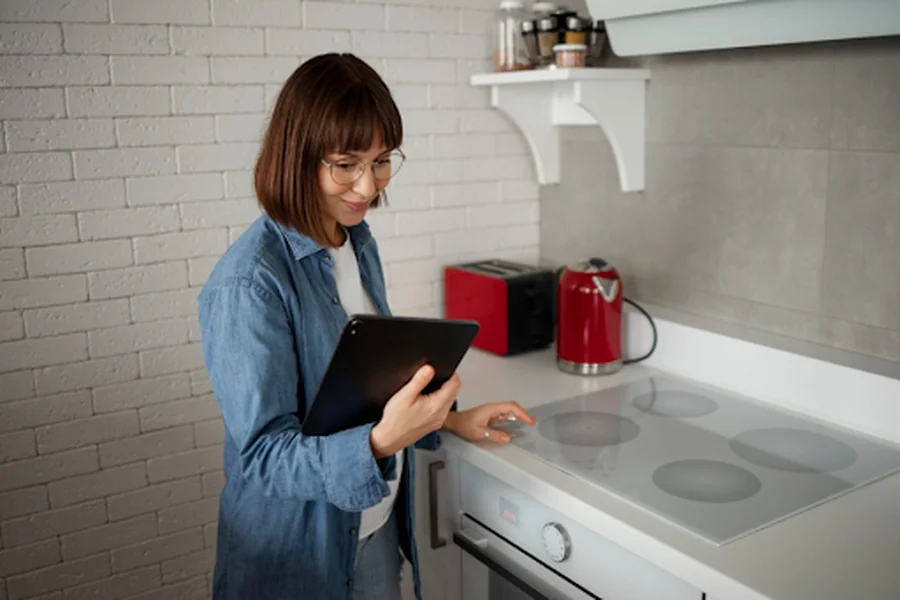
Induction hobs are rapidly gaining popularity in Singaporean homes due to their sleek design, energy efficiency, and precise cooking control. Unlike gas or traditional electric hobs, induction hobs use electromagnetic fields to heat cookware directly, resulting in faster and more efficient cooking. For a closer look at available models and features, you can visit https://www.fujioh.com/sg/products/induction-hobs/ to help guide your decision. Before investing in an induction hob, it is important to understand its advantages, requirements, and suitability for your kitchen.
Making an informed decision ensures that the induction hob meets your cooking needs while enhancing convenience, safety, and overall kitchen aesthetics.
How Induction Hobs Work
Induction hobs operate by generating a magnetic field that directly heats the base of induction-compatible cookware. This method avoids heating the hob surface itself, making it more energy-efficient and safer compared to gas or conventional electric hobs.
Because the heat is generated directly in the pot or pan, cooking is faster, more precise, and evenly distributed. This is especially beneficial for tasks that require controlled temperatures, such as melting chocolate, simmering sauces, or delicate stir-frying.
Advantages of Induction Hobs
One of the key benefits of induction hobs is energy efficiency. Since heat is directly transferred to the cookware, there is minimal energy loss. This translates to faster cooking times and lower electricity usage, making it an environmentally friendly choice.
Safety is another advantage. The hob surface remains cool to the touch, reducing the risk of burns, and most models feature automatic shut-off functions if no cookware is detected. Families with children or elderly members will find induction hobs particularly safe.
Precision is also a standout feature. Induction hobs allow for fine adjustments of temperature, giving you better control over cooking and reducing the chances of overcooking or burning food.
Cookware Requirements
Induction hobs require magnetic cookware, such as stainless steel or cast iron. Non-magnetic materials like copper, aluminium, or glass will not work unless a magnetic base is present. It’s important to verify that your existing pots and pans are compatible before purchasing an induction hob.
Flat-bottomed cookware is ideal for maximum contact with the hob, ensuring even heating and efficient energy transfer.
Design and Space Considerations
Induction hobs are available in various sizes and configurations, including two, three, and four-burner layouts. For compact Singapore kitchens, a smaller two-burner model may suffice, while families who cook multiple dishes simultaneously may benefit from a four-burner setup.
The sleek, flat surface of induction hobs makes them easy to clean, with spillages wiped away effortlessly. Integrated touch controls and digital displays add a modern touch to the kitchen, enhancing both functionality and aesthetics.
Safety Features and Maintenance
Modern induction hobs come equipped with child locks, timers, residual heat indicators, and automatic shut-off features, providing peace of mind for busy households.
Maintenance is relatively simple due to the flat, smooth surface, which prevents food and grease from accumulating in hard-to-reach areas. Avoid abrasive cleaning tools and opt for soft cloths and non-abrasive cleaners to maintain the hob’s appearance.

Suitability for Singapore Homes
Induction hobs are especially suitable for Singapore homes where kitchen space is limited, and safety, efficiency, and modern aesthetics are priorities. They offer a versatile solution for families, couples, and individuals who value precision, speed, and energy conservation.
However, they may require an initial investment and compatible cookware, so it’s important to assess your cooking habits, budget, and kitchen setup before purchase.
Conclusion
Induction hobs offer a combination of safety, precision, energy efficiency, and modern design, making them an appealing choice for contemporary Singapore kitchens. Understanding the technology, cookware requirements, and advantages ensures that your investment is worthwhile.
For households looking to enhance cooking efficiency, maintain safety, and elevate kitchen aesthetics, an induction hob is a reliable and practical solution. With proper selection and usage, it can transform everyday cooking into a faster, safer, and more enjoyable experience.
FAQs
Can I use any cookware on an induction hob?
No, induction hobs require magnetic cookware, such as stainless steel or cast iron.
Are induction hobs safer than gas hobs?
Yes, the surface stays cool, and safety features like automatic shut-off reduce the risk of burns and accidents.
Do induction hobs consume more electricity?
No, they are more energy-efficient than traditional electric hobs due to direct heating of cookware.
How do I clean an induction hob?
Use a soft cloth and a non-abrasive cleaner. Avoid sharp tools or abrasive pads that may scratch the surface.
