What to Look for When Buying Wireless Earbuds in 2026
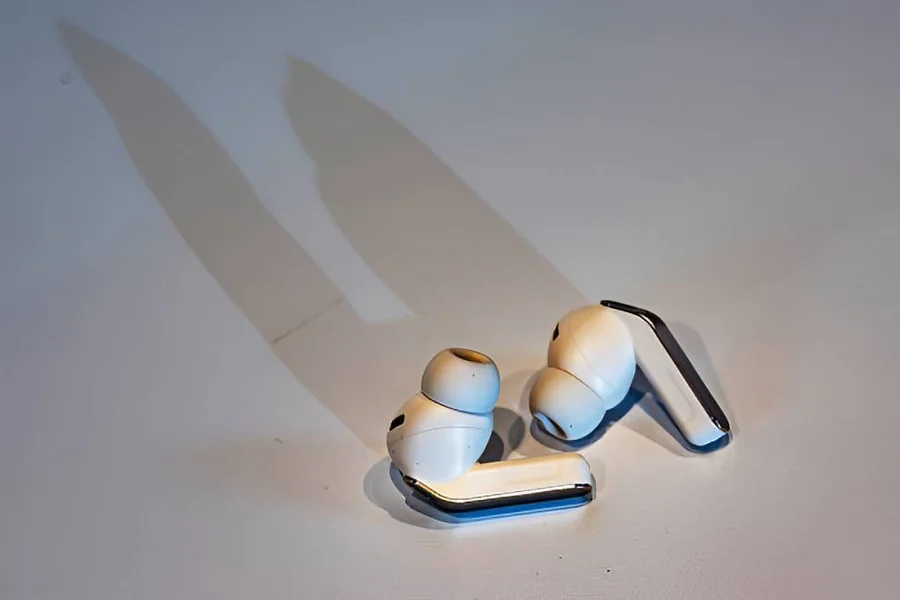
You want great sound, all-day comfort, and earbuds that survive a sweaty run or a sudden downpour.
The problem is that the options are endless, and the spec sheets read like a science textbook. If you’re trying to find the best earbuds price without getting lost in the noise, this guide is for you.
Every section breaks down what matters, what doesn’t, and what to check before spending your money.
Why Earbuds Have Changed More Than You Realise
Wireless earbuds in 2026 are not just audio devices.
The best pairs now track your health, adapt to your environment in real time, and connect to public systems you’d never have accessed before.
Knowing what’s new and what’s actually useful makes the difference between a purchase you love and one you regret within a month.
The Connectivity Standard You Cannot Afford to Skip
Auracast, built on Bluetooth LE Audio, has changed how earbuds interact with the world.
Old Bluetooth worked within about 30 feet. Auracast reaches up to 300 feet, letting you connect directly to airport announcements, gym TVs, or conference room audio without touching a screen or a device.
It runs on Bluetooth 5.2 and uses the LC3 codec, which cuts latency down to 20–30 milliseconds compared to 80–150 milliseconds on older connections, while using less battery power at the same time.
Before buying, confirm that your earbuds support Bluetooth 5.2 or higher, LE Audio, multi-device streaming, and an Auracast broadcast receiver mode in the spec sheet.
These are no longer optional extras. They are the 2026 baseline.
How to Get the Best Audio Quality Without Overpaying
The old SBC versus AAC debate is over.
The codecs that matter now are LC3, LDAC, and aptX Lossless. LC3 is the native codec of Bluetooth LE Audio. It delivers clear, detailed sound at lower bitrates, which means your battery lasts longer without any drop in quality.
LDAC streams at up to 990 kbps and is the strongest choice for Android users who want high-resolution audio. aptX Lossless goes further, hitting true CD-quality sound on Qualcomm-powered devices.
Spatial audio has also matured significantly.
Flagship earbuds now scan your ear shape to build a personal 3D sound profile, so music feels like it wraps around you rather than plays through tubes. That’s a genuine improvement, not just a marketing line.
Health Tracking Features Worth Paying Attention To
The ear canal sits close to major blood vessels, making it one of the most accurate spots on your body for biometric readings, often more reliable than your wrist.
Top earbuds now offer continuous heart rate monitoring that syncs with fitness apps during workouts. Some models also track blood oxygen levels, measuring SpO2 during exercise or sleep.
A standout 2026 addition is posture alerts.
Earbuds with built-in motion sensors detect when you’ve been hunching forward too long and nudge you with a gentle sound or vibration. For anyone sitting at a desk most of the day, that feature deserves serious attention.
Several flagship models also offer real-time language translation directly through the earbuds, powered by on-device AI. Check that your earbuds sync with your platform’s health app before buying.
Comfort and Durability That Hold Up Over Time
Open-ear earbuds have become a genuine alternative to the traditional sealed design.
They sit outside the ear canal and transmit sound through bone vibration or near-field air conduction. They cause less ear fatigue during long wear and keep you aware of your surroundings, which makes them popular with runners, cyclists, and office workers.
For in-ear designs, IP68 is the waterproofing rating you should demand.
It certifies full dust protection and the ability to handle submersion in up to 1.5 metres of water for 30 minutes. IP54, which only covers sweat resistance, is no longer a reasonable standard for a quality purchase. Whether you’re caught in heavy rain or close to a pool, IP68 keeps your investment protected.
Battery Life That Fits Your Full Day
Flagship earbuds now routinely hit 10 or more hours on a single charge with ANC running a benchmark that was nearly impossible two years ago.
Fast charging is now standard across quality models, where 10 minutes of charging gives you roughly 2 hours of playback.
Wireless case charging via Qi2 or MagSafe is also widely available, so you’re not hunting for cables at the end of the day.
Total battery life with the case matters just as much as earbud-only hours. Look for 30 or more hours combined so a single case charge covers several days of real use. Sustainability is becoming a genuine factor, too.
Some brands now offer modular battery replacement and chassis made from recycled materials, letting you extend the life of your earbuds rather than replacing the whole unit when the battery degrades.
Match Your Earbuds to the Way You Actually Live
The right pair depends entirely on how you use them.
Commuters should prioritise adaptive ANC and Auracast for seamless public space listening. Athletes need heart rate tracking and IP68 waterproofing above everything else.
Audiophiles should focus on LDAC or aptX Lossless support paired with spatial audio for the most accurate, immersive sound.
Office workers get the most value from auto-transparency and posture alerts, both of which make long hours at a desk more manageable.
Budget shoppers should look for LC3 codec support combined with solid ANC; you don’t need to spend a fortune for a capable, reliable pair.
Great earbuds in 2026 do far more than play music.
They protect your hearing in loud spaces, monitor your health, keep you connected across long distances, and last through a full day without a charge. Focus on the features that match your actual life, and the right pair becomes obvious.
