Signs You May Need Sewer Inspection Services
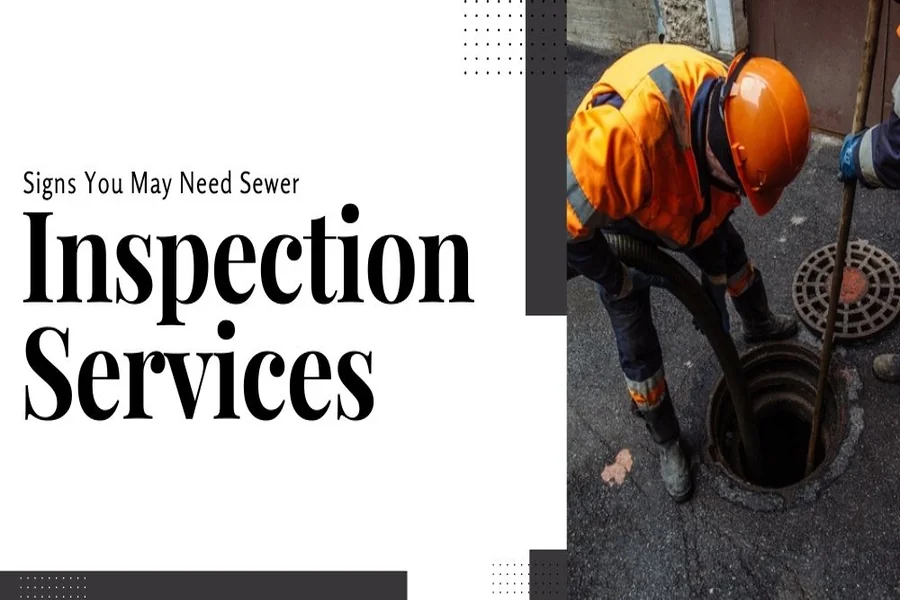
Sewer problems rarely appear out of nowhere. In most cases, they give you subtle signs before turning into full-blown disasters. Recognizing these warning signs early can save you from costly sewer repairs and prevent major inconveniences in your home. By acting quickly, you can ensure your sewer system operates smoothly without further damaging your property. Keep reading and learn the common signals that it’s time to consider a sewer inspection.
Frequent Sewer Backups and Drain Overflows
Recurring backups in your plumbing are clear signs that deeper issues may be present in your sewer system. These issues are more than just frustrating—they can pose serious risks to your home’s plumbing if ignored. Below are the signs to watch for if backups and overflows keep occurring:
- Sinks are backing up simultaneously in different areas of the house.
- Toilets are overflowing without heavy use.
- Water is rising through the floor drains.
Drain overflows are more than inconveniences; they can cause foul odors, damage to flooring, and contamination in your home. Ignoring overflows only makes the problem worse. Here’s the reason why:
- Pressure builds in the sewer line, increasing the risk of damage.
- Wastewater may spread into living areas.
- Delays make sewer inspection more urgent and expensive.
Persistent Sewer Odors Inside or Outside the Home
Sewer systems collect and properly treat wastewater so you won’t smell foul odors from your drains or yard. If you detect unpleasant sewage odors, it’s time to evaluate the situation. Persistent odors often point to larger problems that require a professional sewer inspection. These odors often suggest the following:
- Cracks in the sewer line: If there are leaks in the pipes, sewage can escape and release unpleasant odors into your home or yard.
- Improper ventilation: Sewer systems rely on vent pipes to prevent gases from building up. A damaged vent can cause sewage odors to back up into your home.
- Blockages in the system: Accumulated waste can cause decaying material to emit strong smells, signaling the need for immediate intervention.
Ignoring sewer odors in or around your property can lead to more serious consequences. Over time, these odors point to the following:
- Increased risk of sewer line failure
- Continued exposure to unhealthy air
- Greater need for sewer inspection and pipe monitoring
Slow Drains Throughout the Home
It’s normal for drains to slow down occasionally, but when the issue occurs in multiple fixtures across your home, it’s usually an indication of a bigger problem. Widespread slow drainage should prompt you to schedule a sewer inspection. These situations often involve the following:
- Blockages in the main sewer line: A clog can cause slow drainage throughout your plumbing system.
- Tree root invasions: Roots growing into pipes can constrict the sewer line, reducing water flow and causing sluggish performance in all fixtures.
- Collapsed or deteriorated pipes: Aging pipes that are cracked or broken can prevent wastewater from moving efficiently through your sewer system.
Ignoring slow drains can lead to severe system backups or leaks that require costly repairs. Here’s why tackling the issue with a sewer inspection is critical:
- Unlike surface fixes, a sewer inspection uses advanced technology to identify whether slow drains are caused by small clogs or significant damage, addressing the root cause directly.
- Blockages may continue to spread.
- Pipe monitoring helps track changes over time.
Unexplained Water Damage or Yard Issues
Physical changes in your yard or visible water damage inside your property may indicate sewer leaks. Many homeowners overlook these signs until the situation becomes severe, but catching them early can prevent more significant damage. Keep an eye out for these signs in your yard:
- Wet spots or pooled water in your yard.
- Sinkholes are forming without a clear cause.
- Moisture near the foundation.
Unexplained foundation damage or water infiltration inside your home could mean your sewer problem has already escalated. Here’s why:
- Foundation damage takes time to develop: Cracks or shifting soil caused by long-term sewer leaks often surface only after substantial damage has occurred.
- Water seepage can lead to bigger problems: Moisture from leaking pipes can compromise your home’s structure over time, including the growth of mold.
Acting on Sewer Warning Signs Early
Recognizing sewer warning signs early makes a significant difference. Scheduling sewer line inspection services at the first sign of trouble helps prevent major damage and costly repairs. When you stay alert, you protect both your home and your plumbing system. Sewer inspection and pipe monitoring work together to identify issues before they escalate.
By responding early, you reduce the chance of sudden failures and maintain better control over long-term plumbing health. If you notice any of these warning signs, act right away. Scheduling a sewer inspection as soon as possible helps you avoid more serious problems and keep your system running smoothly.
