Pancreatic Cancer Treatment in Singapore: Modern Medical Approaches

Pancreatic cancer is a serious condition affecting the pancreas, an organ responsible for producing digestive enzymes and insulin. Patients seeking pancreas cancer treatment in Singapore can access specialised medical care that combines advanced diagnostics, personalised treatment plans, and multidisciplinary support. In Singapore, advances in medical technology and treatment strategies have significantly improved patient care, offering a range of options tailored to the stage of the disease, overall health, and individual patient needs. Understanding these approaches helps patients make informed decisions and seek timely care for better outcomes.
Pancreatic cancer is often challenging to detect early because symptoms can be vague, such as abdominal pain, weight loss, jaundice, and digestive difficulties. Early consultation with a specialist, such as an oncologist or gastroenterologist, is crucial for diagnosis and treatment planning. Modern diagnostic tools, including imaging scans and biopsy techniques, allow doctors to accurately assess the tumour and determine the most effective treatment path.
Surgical Treatment Options
Surgery is considered one of the most effective treatments for pancreatic cancer, particularly when the tumour is detected at an early stage. The most common procedure is the Whipple procedure, which involves removing part of the pancreas, the gallbladder, and sometimes parts of the stomach and small intestine.
In Singapore, highly trained surgical teams perform this complex operation using advanced techniques, including minimally invasive laparoscopic or robotic-assisted surgery. These methods aim to reduce recovery time, minimise complications, and improve surgical outcomes. Not all patients are suitable for surgery, so thorough preoperative assessment and staging are critical.
Chemotherapy and Radiotherapy
Chemotherapy is frequently used either before surgery (neoadjuvant) to shrink tumours or after surgery (adjuvant) to target remaining cancer cells. Singapore offers a variety of chemotherapy regimens tailored to individual patient needs, with close monitoring to manage side effects.
Radiotherapy is another approach, often combined with chemotherapy, to destroy cancerous cells and reduce tumour size. Modern radiotherapy techniques, such as intensity-modulated radiotherapy (IMRT), allow precise targeting of tumours while minimising damage to surrounding tissues. These treatments are carefully scheduled and monitored by specialised oncology teams.
Targeted Therapy and Immunotherapy
Advances in cancer research have introduced targeted therapies that focus on specific genetic mutations within pancreatic tumours. These treatments interfere with cancer cell growth while sparing healthy cells, offering more personalised care.
Immunotherapy is an emerging approach in Singapore, designed to strengthen the patient’s immune system to recognise and fight cancer cells. While not suitable for all patients, these options provide additional treatment pathways and hope for those with advanced or resistant disease.
Supportive Care and Symptom Management
Pancreatic cancer treatment often involves managing symptoms and maintaining quality of life. Supportive care includes pain management, nutritional guidance, and psychological support. In Singapore, multidisciplinary teams comprising oncologists, dietitians, nurses, and counsellors work together to ensure comprehensive patient care.
Palliative care may also be introduced in cases where the cancer is advanced, focusing on comfort, symptom relief, and emotional support for both patients and families.
Clinical Trials and Research
Singapore is at the forefront of medical research, offering patients access to clinical trials exploring new therapies, drugs, and treatment combinations. Participation in clinical trials may provide additional options, particularly for patients with limited standard treatment alternatives. Doctors carefully evaluate eligibility and potential benefits, ensuring patient safety remains a priority.
Choosing the Right Specialist
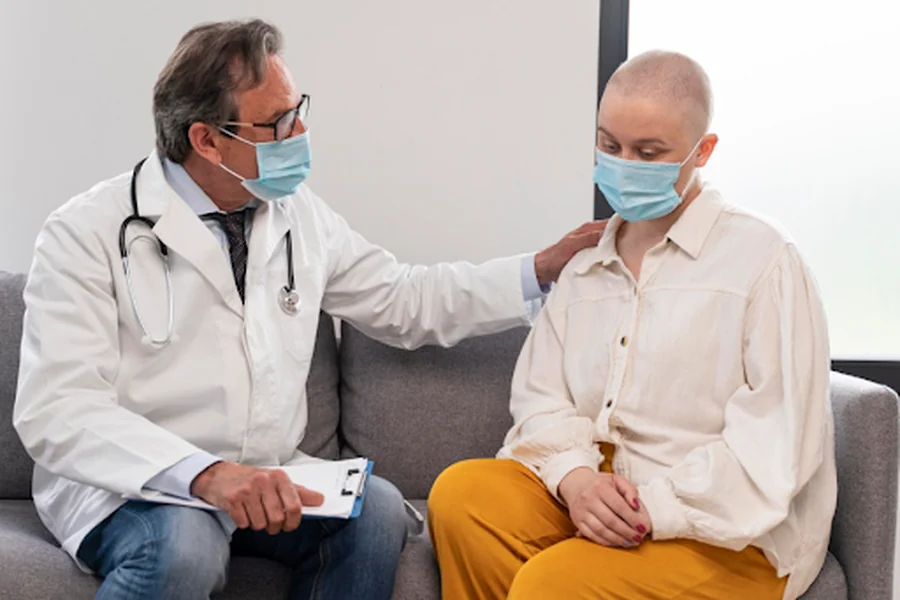
Selecting an experienced oncologist or pancreatic cancer specialist is vital for effective treatment. Patients should consider the doctor’s experience, hospital facilities, access to multidisciplinary teams, and communication style. Early consultation allows timely diagnosis, personalised treatment planning, and coordinated care, which can significantly impact outcomes.
Conclusion
Pancreatic cancer treatment in Singapore has evolved to offer a comprehensive and modern approach, combining surgery, chemotherapy, radiotherapy, targeted therapies, and supportive care. Early diagnosis, personalised treatment plans, and access to experienced specialists are crucial for improving survival and quality of life.
Patients are encouraged to seek care promptly, discuss all available treatment options, and consider supportive resources to navigate this challenging journey. With advances in medical care and a patient-focused approach, pancreatic cancer can be managed more effectively than ever before.
FAQs
What are the main treatment options for pancreatic cancer?
Treatment includes surgery, chemotherapy, radiotherapy, targeted therapy, immunotherapy, and supportive care, depending on the stage of the disease.
Is surgery always possible for pancreatic cancer patients?
No, surgery is only an option for patients whose cancer has not spread extensively and who meet specific health criteria.
Can supportive care improve quality of life?
Yes, supportive care addresses pain, nutrition, emotional well-being, and symptom management to maintain comfort during treatment.
Are clinical trials available in Singapore?
Yes, Singapore offers clinical trials for pancreatic cancer, providing access to new therapies under controlled conditions.
