Advancements in Visual Display Technology
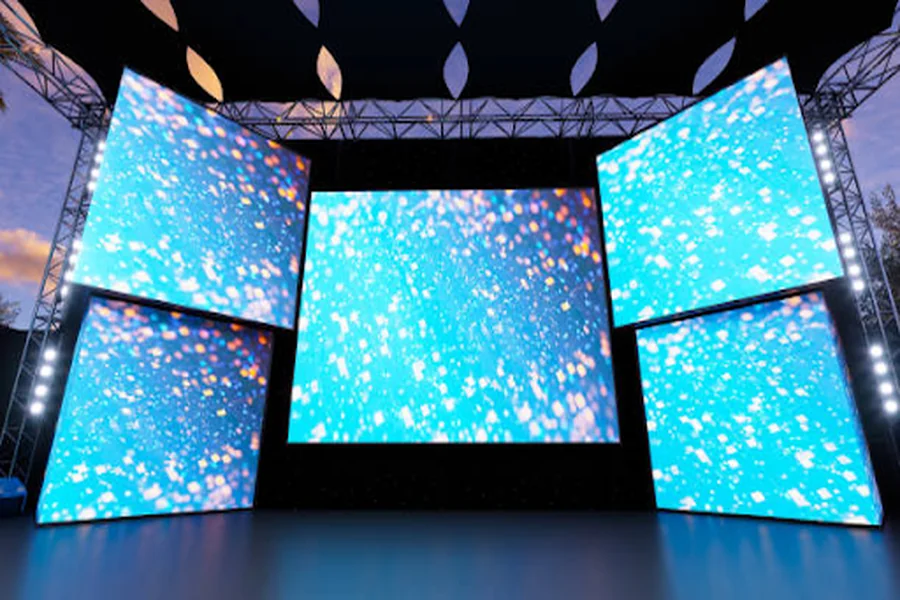
The dramatic evolution of display technology has led to incredible advancements in almost every industry, from entertainment to retail and beyond. One of the most prominent technological innovations that continues to shape the landscape of visual presentations is the LED video wall. These dynamic displays have become an essential tool for creating captivating and clear visual experiences, significantly altering how information and advertisements are delivered to audiences.
Understanding LED Video Walls
An LED video wall is essentially a large screen composed of multiple LED panels that work together to display content as a single, cohesive unit. These video walls are made using light-emitting diodes that provide high-resolution images and videos, which are both vibrant and visible in various lighting conditions. The flexibility in size and shape of these panels means they can be customised to fit practically any space, making them highly adaptable for diverse venues and purposes.
Technological Features and Benefits
The technology behind LED video walls involves two critical components: the LEDs themselves and the display panels. The diodes emit light when an electric current flows through them, producing vivid colours without the need for a backlight. This self-emissive property results in deeper blacks, higher contrast ratios, and superior colour accuracy compared to traditional LCDs.
LED video walls offer numerous advantages, including energy efficiency, longevity, and reduced maintenance costs. Due to the efficient nature of LEDs, these walls consume less power while providing a brighter display. Their extended lifespan translates into fewer replacements and lower ongoing expenditures for businesses and event organisers.
Usage in Various Sectors
Entertainment and Events
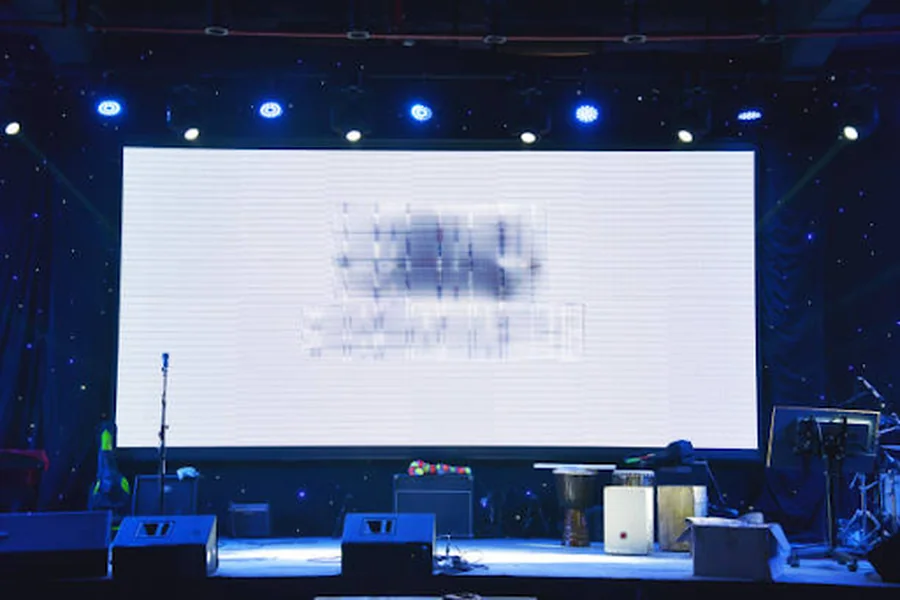
In the realm of entertainment, LED video walls have revolutionised the concert and theatre industries. Their ability to display high-quality visuals that can be viewed from long distances makes them indispensable for large-scale events. Concerts, musicals, and plays benefit from this technology, enhancing the audience’s experience through immersive digital backdrops and detailed visuals.
Retail and Advertising
Retail environments are increasingly adopting LED video walls for advertising and informational purposes. In shopping centres and standalone stores, these walls capture customer attention with vibrant, dynamic content. They allow retailers to engage with consumers in a visually appealing way, from showcasing product features to delivering brand messages.
Corporate and Conferencing
Corporations are leveraging this technology for effective communication and collaboration. LED video walls are ideal for lobbies, boardrooms, and conference centres, providing clear and impactful visuals necessary for presentations and live data analysis. Their scalability and customisability ensure they meet the varied needs of corporate environments, from small meetings to large conferences.
Sports and Stadiums
Sports stadiums have adopted LED video walls to improve the fan experience. These walls provide not only live footage of the action on the field but also replays, statistics, and interactive content that keep spectators engaged. They can be integrated into scoreboards or used as standalone screens that enhance the atmosphere of live sports.
Factors Affecting Choice and Implementation
Choosing the right LED video wall involves understanding several critical components. These include pixel pitch, resolution, brightness, and refresh rate, all of which affect the quality of the display. Pixel pitch, the distance between the centres of two adjacent pixels, is crucial for image clarity. A smaller pixel pitch yields higher resolution, making it essential for close-range viewing applications.
Brightness levels, measured in nits, must be considered based on the installation environment. Higher brightness is necessary for outdoor setups to combat sunlight, while lower brightness suffices for indoor use. The refresh rate, indicating how many times the image is refreshed per second, should be high enough to ensure smooth visual transitions and minimal flicker.
Innovative Applications and Customisation
Beyond traditional applications, LED video walls are being used in innovative ways, pushing creative boundaries. Artists and designers utilise these walls to create interactive art installations and digital exhibits that captivate audiences. Additionally, the modular nature of LED panels allows intricate configurations, enabling the creation of unique shapes and designs unsuitable for conventional displays.
Moreover, businesses can personalise content delivery through software integrations that allow for dynamic, real-time content changes. This capability enables companies to tailor their messaging and visuals to different audiences or contexts rapidly.
Future Trends and Developments
As LED technology continues to improve, we can expect further reductions in pixel pitch, which will enhance image quality even more and expand potential applications. Developments in energy efficiency and cost reductions will likely increase their accessibility, paving the way for even broader adoption across various industries.
Innovations such as transparent LED displays are starting to enter the market. These offer new possibilities for creative designs and applications, such as retail windows that display content without obstructing views.
The continuous evolution of LED video walls will necessitate ongoing adaptation by the sectors that employ them. Flexibility, adaptability, and foresight will be essential for organisations aiming to leverage this technology’s full potential, ensuring that they remain at the forefront of visual communication evolution.
