From Warehouses to Workspaces: Common Spaces Built with Steel Structures
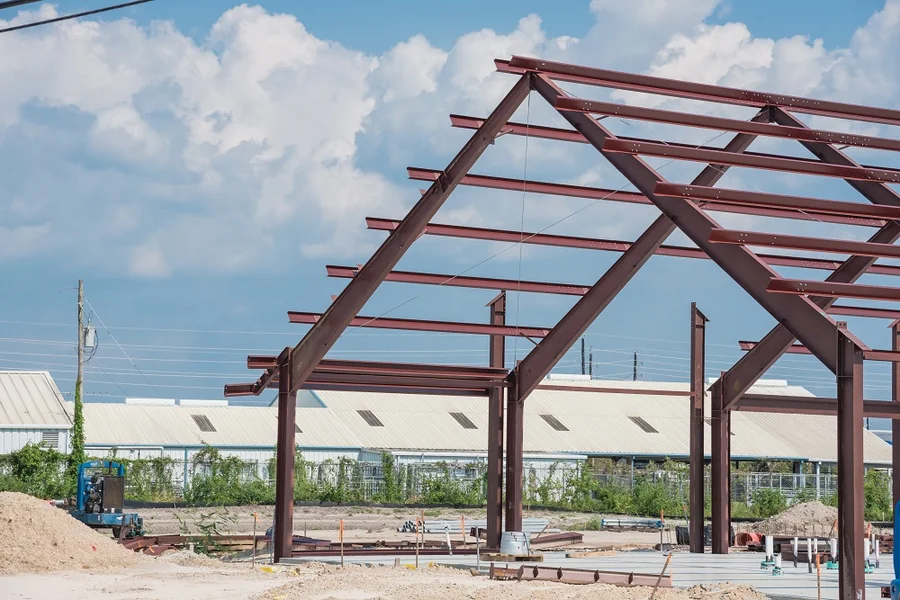
Steel buildings have become a practical and versatile solution for a wide range of shared and functional environments. What was once primarily used for warehouses and industrial facilities is now being adapted for offices, recreational areas, workshops, and agricultural operations. Their ability to provide open interiors without internal load-bearing walls makes them highly flexible for different layouts. This flexibility allows property owners and developers to design spaces that can evolve over time as needs change.
Steel structures are also known for their durability, cost efficiency, and relatively quick construction timelines compared to traditional building methods. Because of these advantages, they are increasingly chosen for both commercial and private use. Below are several common types of spaces that benefit significantly from steel construction.
Garage and Hobby Shops
Garage and hobby shop spaces are among the most popular applications of steel buildings due to their adaptability and strength. The open-span design allows for wide, unobstructed interiors, making it easier to move vehicles, machinery, and large equipment without spatial limitations. This type of layout is especially useful for car enthusiasts, small business owners, and individuals who need dedicated work areas for creative or mechanical projects.
Steel buildings also provide strong protection against external elements such as wind, rain, and pests, helping preserve tools and materials stored inside. Insulation options can be added to regulate temperature, which is important for comfort during long working hours. Lighting and ventilation systems can also be integrated into the design to improve visibility and air circulation. Many companies like Quality Structures often offer customizable solutions to meet specific layout and performance requirements like this, while ensuring they align with both functional needs and long-term durability goals.
Agricultural Workspaces
Agricultural workspaces are another major category where steel buildings are widely used due to their resilience and practicality. Farms often require large, multi-purpose structures that can accommodate equipment storage, livestock housing, and crop processing activities within a single facility. Steel buildings provide the necessary strength to handle heavy machinery such as tractors, harvesters, and irrigation systems without compromising structural integrity. Their clear-span interiors make it easier to organize workflows and move large equipment in and out of the building efficiently.
These structures are also designed to withstand harsh environmental conditions, including heavy rainfall, strong winds, and fluctuating temperatures, which are common in rural settings. Proper ventilation systems can be installed to maintain airflow, particularly in livestock areas where air quality is essential. Many companies like Searcy Building Systems often focus on building and customizing agricultural buildings to meet the specific demands of farming operations, including storage zones, feeding areas, and maintenance spaces. They are designed to improve efficiency, durability, and workflow while adapting to the evolving needs of modern agriculture.
Warehouses and Storage Facilities
Warehouses remain one of the most traditional and widely used applications of steel structures. Their large, open layouts make them ideal for storing goods, inventory, and equipment without unnecessary structural interruptions. Steel construction allows for high ceilings and wide bays, which are essential for stacking materials efficiently and accommodating forklifts or other handling equipment. These buildings can be scaled to match the storage demands of small businesses or large distribution centers. Security features such as reinforced doors, surveillance systems, and controlled access points can also be incorporated into the design.
Additionally, steel warehouses are relatively low maintenance, reducing long-term operational costs. Their durability ensures that stored goods remain protected from environmental damage, making them a reliable choice for logistics and supply chain operations.
Commercial Office Spaces
Steel buildings are increasingly being used for commercial office spaces due to their flexibility and modern design potential. Unlike traditional construction, steel structures can be configured to create open floor plans that encourage collaboration and adaptability. Interior partitions can be added to form private offices, conference rooms, and shared work areas as needed.
These buildings also support the integration of modern amenities such as HVAC systems, cabling infrastructure, and energy-efficient lighting. Exterior finishes can be customized to achieve a professional and visually appealing appearance that aligns with a company’s brand. Steel office buildings can also be expanded in the future if business operations grow, making them a scalable solution. With proper design, they offer a balance of functionality, comfort, and long-term usability.
Recreational and Community Spaces
Recreational and community spaces benefit from the wide-open interiors that steel buildings provide. These structures are commonly used for gyms, sports facilities, event halls, and community centers where large groups of people gather. The absence of interior load-bearing walls allows for flexible layouts that can accommodate courts, seating areas, or open activity zones.
Steel buildings also support high ceilings, which are ideal for sports like basketball or indoor training activities. Acoustic treatments and insulation can be added to improve sound quality and comfort for occupants. Their durability ensures that these spaces can handle frequent use and high foot traffic over time. As a result, steel structures offer a reliable and adaptable option for public and shared recreational environments.
Retail and Mixed-Use Spaces
Steel buildings are also well-suited for retail and mixed-use developments where flexibility is essential. These spaces can combine storefronts, offices, and storage areas within a single structure, making them efficient for small businesses and entrepreneurs. The open interior layout allows tenants to customize their space according to branding, product display, and customer flow. Large entryways, glass facades, and modern exterior finishes can be incorporated to create an inviting commercial appearance.
Steel construction also allows for future modifications, such as expanding retail areas or reconfiguring units for different tenants. Utilities like plumbing, electrical systems, and climate control can be integrated seamlessly into the structure. This adaptability makes steel buildings a practical choice for dynamic commercial environments that may evolve over time.
Educational and Training Facilities
Educational and training facilities benefit from steel buildings due to their ability to accommodate classrooms, labs, and hands-on learning environments. Schools, vocational centers, and corporate training hubs often require flexible layouts that can be adjusted for different group sizes and activities. Steel structures make it easier to design large open spaces that can later be divided into smaller instructional rooms using non-load-bearing partitions.
They also support advanced infrastructure needs such as audio-visual systems, networking, and specialized equipment installations. Safety and durability are key advantages, ensuring a secure environment for students and staff. Additionally, these buildings can be constructed quickly to meet growing educational demands in expanding communities. Their long-term cost efficiency makes them a practical investment for institutions focused on scalability and functionality.
Conclusion
Steel buildings have proven to be a highly adaptable solution for a wide variety of common spaces, ranging from industrial and agricultural uses to commercial, recreational, and educational environments. Their clear-span design, durability, and flexibility allow them to support customized layouts that meet evolving needs across different industries. Whether used for personal projects, business operations, or community functions, steel structures provide the strength and efficiency required for long-term performance. As demand for versatile and scalable spaces continues to grow, steel construction remains a reliable choice for creating functional environments that can adapt over time.
