Ensuring Laboratory Safety and Efficiency with Advanced Biological Containment Systems
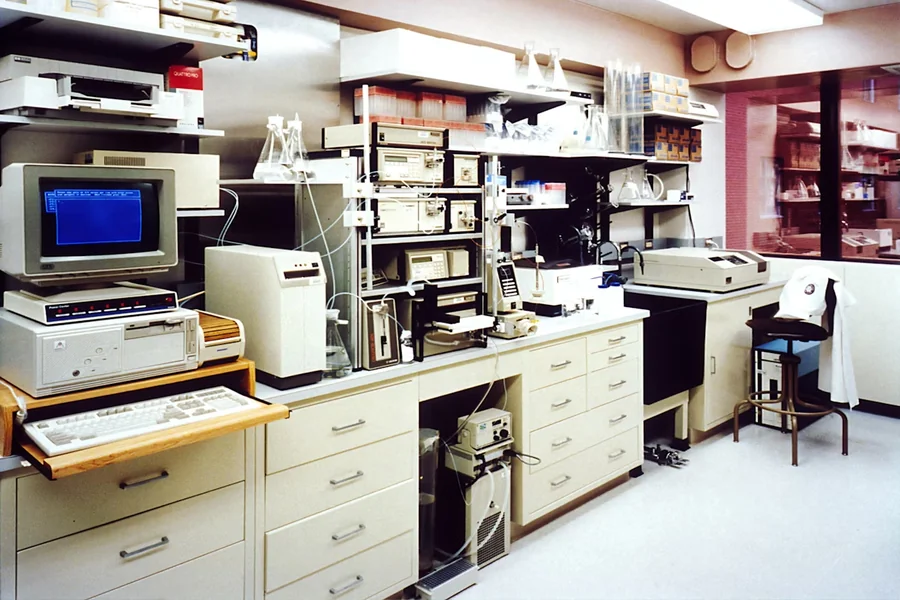
In laboratories dedicated to biological research, the selection of appropriate equipment is pivotal in maintaining both safety and experimental integrity. Among the essential devices, biological safety cabinets (BSCs) occupy a central role, safeguarding researchers, specimens, and the environment from potential contamination. A biological safety cabinet is specifically designed to provide a controlled, sterile workspace that minimises exposure to hazardous biological agents. Understanding the design, functionality, and classifications of these cabinets is fundamental for any laboratory handling biological materials, particularly those working with infectious or sensitive biological agents.
Purpose and Functions
Biological safety cabinets are designed to provide comprehensive protection for personnel, products, and the environment when working with potentially hazardous microorganisms. They maintain a contaminant-free internal atmosphere, primarily through the use of high-efficiency particulate air (HEPA) filters, which capture airborne particulates and pathogens with remarkable efficiency.
By preventing cross-contamination, BSCs are essential in experiments involving infectious agents or sensitive biological materials. Maintaining sterility within the cabinet protects the integrity of research, which is vital for producing accurate and reproducible results. Additionally, these cabinets limit the release of harmful agents into the laboratory environment, thereby safeguarding both the personnel and the broader workplace.
Beyond basic containment, BSCs contribute to laboratory efficiency. Researchers can conduct procedures without the constant risk of contaminating samples, which reduces the need for repeated experiments and improves the overall reliability of results. In high-stakes research environments, such as vaccine development or pathogen studies, this reliability is critical.
Types of Biological Safety Cabinets
BSCs are categorised into three main classes, each tailored to specific laboratory requirements and levels of risk:
Class I Cabinets
Class I cabinets provide protection for personnel and the environment but do not safeguard the samples themselves. Air is drawn inward, away from the operator, and filtered before being exhausted. These cabinets are suitable for handling low- to moderate-risk agents where sample sterility is not critical. While offering limited versatility, Class I units are effective for routine work with non-sensitive materials or for basic containment needs.
Class II Cabinets
Class II cabinets are widely used in research laboratories due to their versatility and ability to protect personnel, the environment, and the product. They are particularly suitable for handling pathogenic bacteria, viruses, and other hazardous biological materials. Air flows inward through the open front and is HEPA-filtered, then recirculated in a laminar pattern to maintain a sterile workspace.
Class II cabinets are further divided into four types: A1, A2, B1, and B2. Each type features specific airflow patterns and exhaust configurations to suit particular laboratory conditions. For example, some types are designed for operations requiring chemical handling, while others prioritise maximum sterility for sensitive cell cultures or microbiological experiments.
Class III Cabinets
Class III cabinets provide the highest level of containment and are fully enclosed and gas-tight. Operations are conducted through glove ports, ensuring no direct contact with hazardous agents. Both incoming and outgoing air is extensively filtered, making these cabinets indispensable in high-containment laboratories, often designated Biosafety Level 3 or 4.
These units are typically used in work involving highly infectious viruses, hazardous toxins, or genetically modified organisms, where maximum protection is required. The combination of physical barriers and advanced filtration ensures that neither personnel nor the environment is exposed to risk.
Installation and Maintenance
The effectiveness of a BSC depends heavily on proper installation and ongoing maintenance. Incorrect placement, such as positioning cabinets near doors, air-conditioning vents, or high-traffic areas, can disrupt airflow and compromise safety. Laboratory layouts must therefore be carefully designed to accommodate optimal cabinet performance.
Routine maintenance is equally critical. HEPA filters, while durable, require periodic replacement, and airflow velocities must be regularly certified. Trained professionals should conduct inspections and maintenance checks to ensure the cabinets continue to deliver a sterile environment. Additional factors, such as proper lighting and unobstructed air grilles, also contribute to optimal cabinet function.
Regular monitoring and maintenance not only preserve safety but also extend the operational lifespan of BSCs. Many laboratories now integrate maintenance schedules into their standard operating procedures, recognising that ongoing attention prevents failures that could compromise experiments and endanger staff.
Occupational Safety and Training
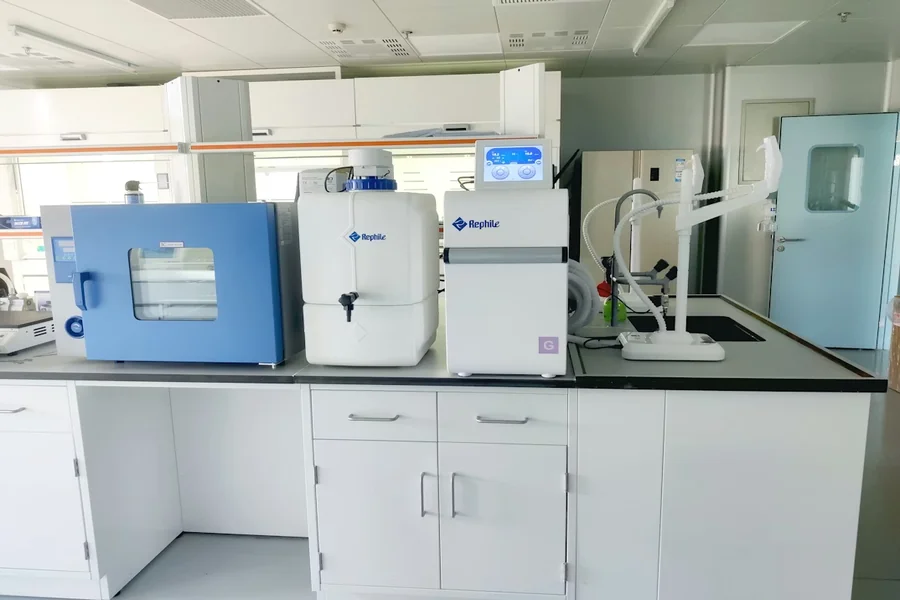
BSCs are integral to laboratory safety protocols, reducing the risk of exposure to harmful biological agents. Adequate training for researchers is essential, encompassing knowledge of cabinet design, operational limitations, and correct usage techniques. Improper practices, such as overcrowding the workspace, blocking air grilles, or excessive movement near the cabinet, can diminish airflow and reduce protective efficiency.
Structured training programmes ensure researchers understand both the operational benefits and the limitations of BSCs. Personnel are taught to follow strict protocols for loading and unloading materials, using proper aseptic techniques, and handling accidental spills. This combination of design and human diligence is central to maintaining a safe and efficient laboratory environment.
Technological Advancements
Advances in BSC design have paralleled the increasing complexity of biological research. Modern cabinets are engineered to be energy-efficient, reducing operational costs without compromising performance. Innovations such as touch-screen controls, real-time monitoring of airflow and filter status, and automated alerts have improved usability and reliability.
These developments allow laboratories to maintain compliance with evolving safety standards while optimising workflow. Some units are now equipped with integrated data logging, enabling researchers to monitor performance trends over time and respond proactively to any maintenance needs.
Conclusion
Biological safety cabinets remain a cornerstone of laboratory safety and operational efficiency. By understanding their classifications, functions, installation requirements, maintenance protocols, and technological innovations, research facilities can ensure a secure environment for critical biological work. These sophisticated systems continue to enable reliable, high-quality research while minimising risk to personnel and the environment, supporting advancements in medicine, biotechnology, and microbiological studies worldwide.
