Reasons Why Children Are Not Legally Allowed to Sit in the Front
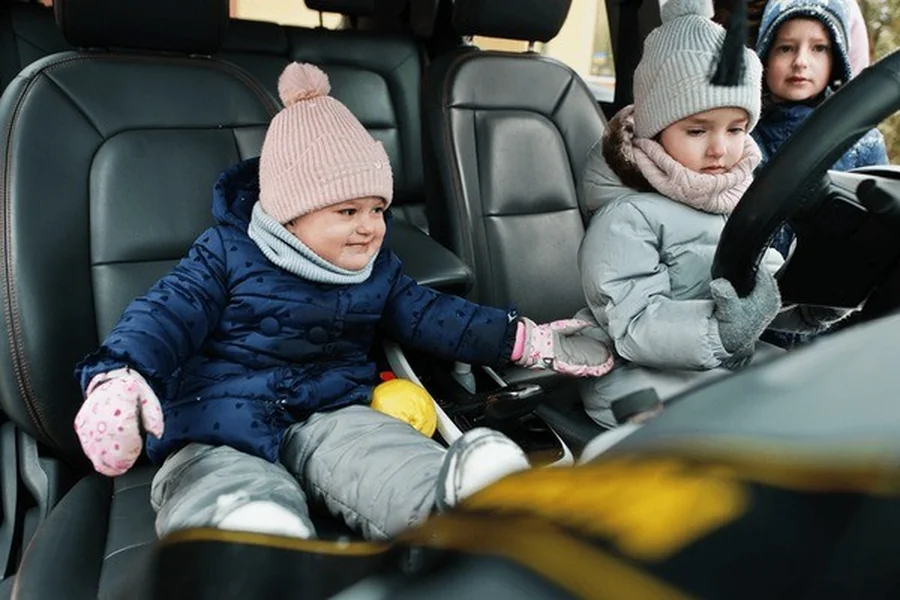
Children are not legally allowed to sit in the front seat because it significantly increases their risk of serious injury or death in the event of a crash. Front airbags deploy with force meant for adults, and in a collision, the front seat is the primary impact zone. Due to their smaller size and developing bodies, children are far more vulnerable to these forces.
In Texas, a state with over 30 million residents and millions of registered vehicles, road travel is a daily necessity, leading to a high number of traffic incidents each year. Data from the Texas Department of Transportation shows that thousands of crashes annually involve child passengers, with improper seating and restraint being a major contributing factor to injuries.
Understanding Texas car seat laws is essential for parents and guardians. These laws are specifically designed to reduce injury risks by regulating where and how children should be seated in a vehicle.
To understand the reasoning behind these legal restrictions, let’s explore how child passenger safety laws work and the key reasons children are not allowed in the front seat.
How Child Passenger Safety Laws Work
Child passenger safety laws are designed to ensure that children are properly restrained based on their age, height, and weight. These laws typically require the use of car seats, booster seats, and rear seating positions until a child reaches a certain level of physical maturity.
In Texas, children under a specific age must use an appropriate child safety seat system, and it is strongly recommended that they ride in the back seat. These rules are enforced to reduce fatalities and serious injuries during road accidents.
The rear seat is considered the safest location for children because it provides distance from frontal impact and minimizes the risk posed by airbags.
5 Reasons Children Are Not Allowed in the Front Seat
- Airbag Deployment Risks
Front airbags are designed to protect adults, not children. They deploy at high speed and force, which can cause severe injuries to a child’s head, neck, or chest.
Even at low-speed collisions, airbags can be dangerous for smaller passengers, making the front seat an unsafe position for children.
- Increased Risk of Injury in Collisions
Most serious crashes involve frontal impact. Children seated in the front are closer to the point of collision, increasing the likelihood of severe injury.
Rear seating significantly reduces this risk by providing a buffer zone between the child and the impact.
- Improper Seat Belt Fit
Adult seat belts are not designed for children’s body proportions. In the front seat, a poorly fitting seat belt can rest on a child’s neck or abdomen instead of the chest and hips.
This improper positioning can lead to serious internal injuries during sudden stops or crashes.
- Physical Vulnerability of Children
Children’s bones and muscles are still developing, making them more susceptible to injury compared to adults.
The rear seat offers better protection for their developing bodies by reducing exposure to direct impact forces.
- Legal Compliance and Safety Standards
Laws restricting children from sitting in the front are based on extensive crash data and safety research.
Failing to follow these regulations can result in penalties, but more importantly, it increases the risk of preventable injuries. Compliance ensures both legal safety and physical protection for young passengers.
Key Takeaways
- Children are restricted from front seats due to higher risks from airbags and frontal collisions.
- Texas has a high volume of road travel, making child passenger safety a critical concern.
- Rear seating provides a safer position by reducing exposure to impact and airbag force.
- Proper seat belt use is difficult in the front seat for children, increasing injury risk.
- Texas car seat laws are designed to minimize preventable injuries and fatalities.
- Following these laws ensures both compliance and maximum safety for child passengers.
