The Evolution and Significance of Baby Feeding Equipment
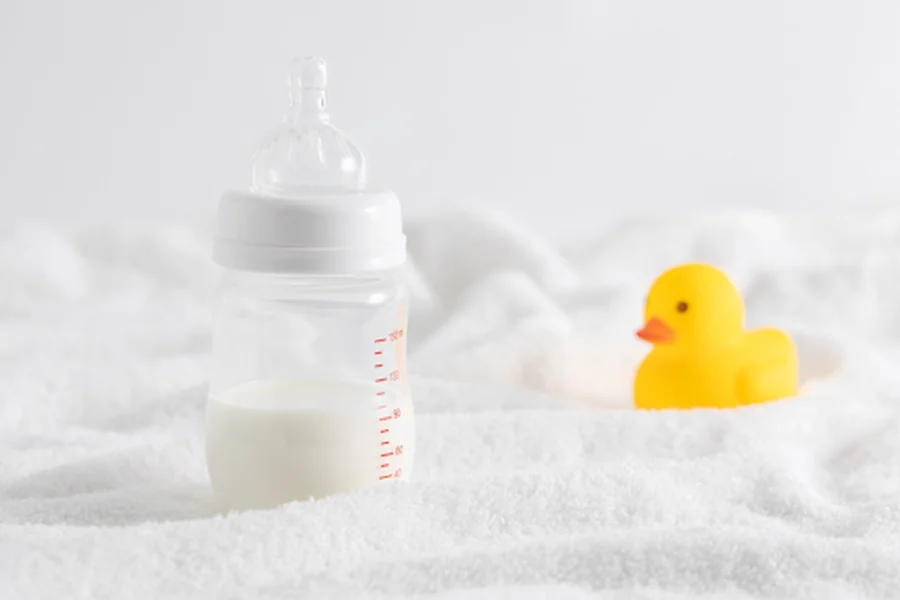
Selecting appropriate feeding equipment represents a key aspect of infant care. Over the years, baby bottles have undergone remarkable changes, both in design and function, to meet the demands of infants and the expectations of caregivers. Modern parents look for products that combine safety, practicality, and comfort, while the variety of options on the market reflects attention to different feeding needs and preferences.
Material Choices and Their Characteristics
Modern feeding equipment is available in multiple materials, each offering distinct advantages and considerations:
Glass bottles have long been valued for their durability and the ease with which they can be cleaned. They do not contain harmful chemicals and maintain the purity of the liquid inside. On the other hand, glass is heavier and more fragile, which may limit its suitability for travel or outdoor use.
Plastic bottles gained popularity in the late 20th century because of their lightweight and unbreakable nature. Advances in manufacturing eliminated concerns about toxins, leading to widespread adoption of BPA-free plastics. Despite this, some parents prefer other options due to lingering questions about long-term chemical safety.
Silicone bottles are among the newest alternatives. They combine flexibility with strength, offering a compromise between the robustness of glass and the lightweight quality of plastic. Their soft texture also provides a comfortable feeding experience, closely resembling natural feeding methods.
Innovations in Design
Modern feeding equipment addresses common difficulties faced by both infants and caregivers. Anti-colic bottles are an example, designed to reduce air intake during feeding, which can help decrease discomfort associated with colic. Other innovations include temperature-sensitive features that signal when milk has reached a safe consumption level.
Nipple shapes and textures continue to evolve, with manufacturers aiming to reproduce the feel of natural breastfeeding. Wider and softer teats, or those shaped to match an infant’s mouth, encourage a smoother transition between breast and bottle feeding. Such designs accommodate the different sucking patterns of infants and can reduce feeding frustration.
Cleaning and Maintenance
Hygiene remains a critical consideration in baby feeding equipment. Glass and silicone bottles can withstand high temperatures and often tolerate dishwasher cleaning, making thorough sterilisation straightforward. Plastic bottles, by contrast, require careful attention. Immediate rinsing and diligent cleaning help prevent residue accumulation and unpleasant odours. Because some plastics may warp or degrade under intense heat, following the manufacturer’s instructions is advisable.
Proper maintenance is not only about cleanliness but also about prolonging the functional life of the bottle, ensuring consistent performance over repeated use.
Sustainability and Eco-Friendly Practices
Environmental awareness has influenced parental choices in recent years. Reusable bottles crafted from recyclable or long-lasting materials are becoming increasingly common. Parents are showing a preference for products that reduce waste, including bottles that can be used over several years or systems that use refillable components. This approach also includes attention to packaging, with reusable or minimal packaging gaining traction in line with sustainable practices.
Standards and Safety Assurance
All feeding equipment must comply with strict safety regulations before reaching consumers. Testing evaluates whether materials are free from hazardous substances, whether the construction is durable, and whether functional components such as venting systems operate correctly. Certifications from recognised health and safety organisations offer guidance to caregivers, providing confidence in the reliability and safety of the product.
Addressing Individual Feeding Needs
Feeding preferences vary among infants, and selecting appropriate bottles can alleviate common difficulties. Some babies respond better to particular shapes or materials, which can influence feeding efficiency and comfort. Caregivers often test several options to determine which suits the infant’s unique needs, creating a feeding routine that is smooth and comfortable for both the child and the household.
Market Diversity and Adaptation
The current range of feeding equipment demonstrates recognition of diverse family requirements. Speciality bottles exist for premature infants or those with specific medical needs, offering tailored support. For older infants, bottles with handles promote independence, helping children develop fine motor skills while learning to feed themselves. The wide selection of products reflects a focus on inclusivity and the practical challenges of feeding children at different developmental stages.
Integration of Technology
Recent years have seen the introduction of smart feeding equipment, which tracks metrics such as feeding times, quantities consumed, and temperature. These tools assist caregivers in monitoring and adjusting feeding schedules with accuracy, providing data that can be shared with healthcare providers if necessary. Such technology appeals to parents who value detailed insight into their child’s routines and health patterns.
Global Trends and Practices
Certain priorities are widely observed across different regions. Caregivers generally prefer bottles free from harmful chemicals, with ergonomic designs and features that emulate natural breastfeeding. Travel-friendly bottles, collapsable designs, and multipurpose containers have gained popularity because of their practicality in modern lifestyles. Manufacturers respond to these trends by creating products that cater to both convenience and infant well-being.
Anticipated Developments
Future developments are likely to focus on advanced materials, sustainable production, and integration with digital technologies. Research into infant development and feeding behaviour will guide further improvements, resulting in equipment that is more adaptable, safer, and supportive of healthy growth. The evolution of baby bottles continues to reflect ongoing efforts to meet the changing needs of families while maintaining safety, functionality, and convenience.
Conclusion
The journey of baby feeding equipment reflects broader advances in infant care, material science, and design. From early rudimentary vessels to sophisticated modern bottles, the field has grown in complexity and understanding. Caregivers now have access to products that address individual feeding needs, support hygiene, integrate technology, and respect environmental concerns. Continued innovation promises further refinement, offering solutions that align with both infant development and contemporary parenting requirements. Selecting feeding equipment is not merely a practical choice but an investment in an infant’s health, comfort, and early development.
