The Revolutionary Impact of AI on Skin Analysis
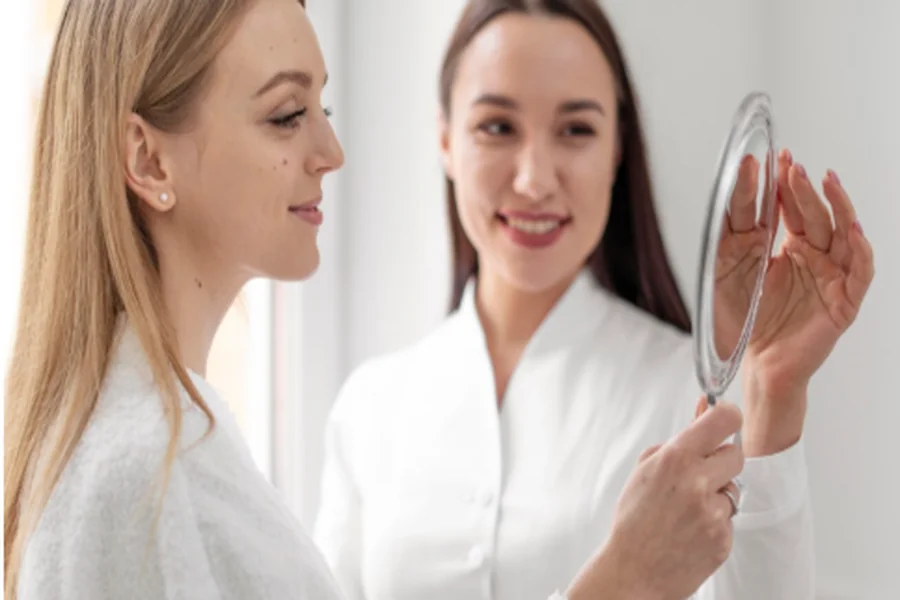
The integration of artificial intelligence into skincare is nothing short of a revolution. As technology advances, tools like Evelab Insight – AI Beauty Solution, which provides cutting-edge diagnostics, are reshaping our understanding of skin health and beauty. This tool leverages AI to conduct a precise analysis of one’s skin, offering personalised insights that were once only available through professional dermatological consultations.
Understanding AI-Driven Skin Analysis
Artificial intelligence in skin analysis refers to the application of machine learning algorithms that evaluate the skin condition using data-driven techniques. Utilising high-quality imaging and data processing, these AI systems can identify and diagnose skin issues with remarkable accuracy. By examining patterns, textures, and various markers on the skin, AI algorithms can detect everything from fine lines to potential underlying skin disorders.
How AI Transforms Data into Meaningful Insights
The evolution of AI in skincare hinges on converting raw data into actionable insights. Skin analysis systems use extensive databases to match visual skin data with known characteristics of various conditions. By doing so, they provide recommendations based on historical data that reflect a wide range of skin types and conditions. This process ensures that the advice given is tailored to each individual’s unique skin needs.
AI systems in skin analysis often integrate multiple data points, including environmental factors, lifestyle habits, and historical skin data, to refine the accuracy of the analysis. As a result, consumers receive an in-depth, holistic view of their skin’s health, which can guide them in making informed decisions about skincare routines and products.
The Technology Behind AI-Powered Skin Analysis
AI-powered skin analysis largely relies on computer vision and deep learning technologies. Computer vision involves the AI interpreting visual information, which is critical in identifying subtle differences in skin tone, pigmentation, and texture. Deep learning, a subset of machine learning, involves training models on large datasets to recognise patterns and characteristics in the data.
These technologies work together to evaluate the skin’s surface and underlying conditions through non-invasive means. By utilising sophisticated algorithms, AI can detect early signs of skin ageing, such as fine lines or dark spots, long before they become visible to the human eye.

Benefits for Dermatologists and Consumers
AI-driven skin analysis offers numerous advantages for both dermatologists and consumers. For dermatologists, it serves as a powerful tool to complement traditional diagnostic techniques. By providing an unbiased, data-driven perspective, AI systems can support clinical decision-making, help track treatment progress, and personalise patient care.
For consumers, AI skin analysis presents an opportunity to access expert-level insights without needing to schedule a consultation. This democratisation of skincare knowledge empowers individuals with information that can inform daily skincare decisions, enhance product selection, and promote overall skin health.
Challenges and Opportunities in AI Skin Analysis
Despite its transformative potential, AI skin analysis faces several challenges. One major hurdle is ensuring data privacy and security, as these systems often handle sensitive personal information. Companies developing these technologies must implement robust data protection measures to safeguard user data against misuse.
Additionally, the effectiveness of AI systems is highly dependent on the quality and diversity of their training data. Confronting the inherent biases in datasets is crucial to prevent skewed analyses that may not accurately reflect a diverse user base. Continuous efforts to enrich training sets with images and information from various ethnicities and skin types are paramount.
Future Directions of AI in Skincare
The future of AI in skincare holds immense promise. As data collection methods and AI models become more sophisticated, we can expect even greater precision in diagnostics and personalised recommendations. The integration of AI with emerging technologies such as virtual reality and augmented reality has the potential to create immersive skincare experiences, revolutionising how consumers engage with their skincare routines.
Conclusion
The use of artificial intelligence in skin analysis is unlocking new frontiers in beauty and dermatology. With tools like the Evelab Insight – AI Beauty Solution, consumers and professionals alike are gaining unprecedented access to skin health insights. As the field progresses, one can anticipate further innovations that will enhance the accuracy and accessibility of skin analysis, ensuring individuals worldwide can attain optimal skin health from the comfort of their own homes.
