The Rise of EV Charging: Powering the Future of Transportation
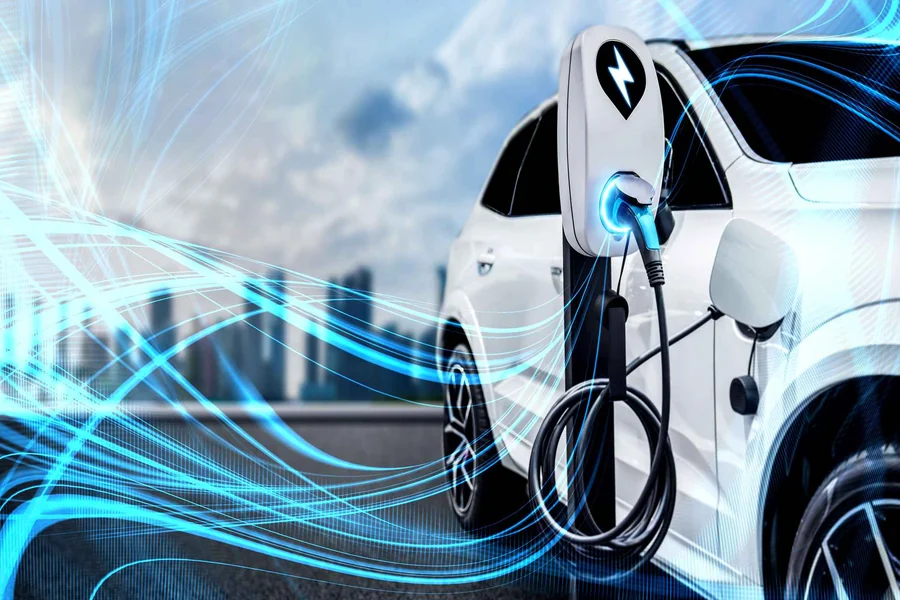
Electric vehicles (EVs) are no longer a niche market—they have become a cornerstone of the global push toward cleaner transportation. With countries committing to ambitious carbon reduction targets, the adoption of EVs has accelerated rapidly. Central to this shift is the development of efficient, reliable, and accessible EV charging infrastructure. Understanding how EV charging works, the types of chargers available, and the challenges and opportunities in this sector is essential for both consumers and policymakers.
Understanding EV Charging
EV charging refers to the process of replenishing an electric vehicle’s battery with electrical energy. Unlike conventional vehicles that rely on gasoline or diesel, EVs use electricity stored in batteries to power an electric motor. The speed, convenience, and cost of charging directly impact the adoption rate of EVs.
Charging an EV depends on several factors: the battery’s capacity, the type of charger used, the vehicle’s onboard charging capabilities, and the source of electricity. Typically, EV charging is categorized into three main levels:
- Level 1 Charging
Level 1 chargers use a standard household outlet (120V in North America, 230V in Europe) and provide slow charging speeds, typically adding 3–5 miles of range per hour. While convenient for home use, Level 1 charging is impractical for long trips or vehicles with large batteries due to its slow rate. - Level 2 Charging
Level 2 chargers operate at higher voltages (240V in North America) and deliver faster charging speeds, usually adding 15–30 miles of range per hour. These chargers are common in homes, workplaces, and public locations such as parking garages and shopping centers. Level 2 charging strikes a balance between speed and cost, making it the most widely deployed option for everyday EV use. - DC Fast Charging (Level 3)
DC fast chargers provide rapid charging directly to the battery, bypassing the vehicle’s onboard charger. These stations can deliver 60–350 kW of power, enabling vehicles to gain 60–80% of battery capacity in 20–40 minutes. Fast charging is crucial for long-distance travel and for reducing range anxiety, which is the fear of running out of battery without nearby charging options.
EV Charging Infrastructure
The growth of EVs has spurred the expansion of charging infrastructure worldwide. Governments, private companies, and utilities are investing heavily in charging networks to support the rising demand.
Public Charging Networks
Public charging stations are essential for EV adoption, particularly in urban areas where home charging may not be feasible. Networks like Tesla Supercharger and ChargePoint provide extensive coverage for both residential and commercial users. Tesla’s proprietary network, for example, allows seamless integration with the Tesla vehicle ecosystem, offering high-speed charging and real-time availability updates.
Residential Charging
Most EV owners charge at home, as it is convenient and cost-effective. Installing a Level 2 home charger allows overnight charging, often at lower electricity rates. Many homeowners hire a licensed electric vehicle charger electrician to safely install their electric vehicle charger, ensuring proper wiring and compliance with local electrical codes. Smart chargers can be programmed to operate during off-peak hours, further reducing costs and easing grid demand.
Workplace Charging
Many employers are installing chargers at offices to encourage EV adoption among employees. Workplace charging also helps extend daily range and reduces the need for public charging infrastructure.
Challenges in EV Charging
Despite rapid advancements, the EV charging industry faces several challenges:
- Grid Capacity and Demand Management
As EV adoption grows, the demand for electricity increases, potentially straining local grids. Utilities are exploring smart charging and vehicle-to-grid (V2G) technologies to manage load efficiently. V2G allows EVs to return stored energy to the grid during peak demand periods, acting as distributed energy storage. - Charging Standardization
Different automakers use various charging connectors and protocols, which can create compatibility issues. The most common standards are CCS (Combined Charging System), CHAdeMO, and Tesla’s proprietary connector. Efforts are underway to harmonize these standards to simplify public charging. - Infrastructure Investment
Building widespread fast-charging networks is capital-intensive. Governments are providing subsidies and incentives, but private sector investment is critical. Locations must be strategically chosen based on traffic patterns, population density, and energy availability to maximize utility. - Charging Speed vs. Battery Health
Frequent use of high-speed DC fast chargers can accelerate battery degradation. EV owners must balance convenience with long-term battery health, and automakers are designing batteries that can better withstand rapid charging cycles.
Emerging Technologies in EV Charging
Innovation continues to drive improvements in EV charging, making it faster, more efficient, and more user-friendly.
Ultra-Fast Charging
Charging speeds are increasing dramatically, with new chargers delivering up to 350 kW of power. Some next-generation vehicles can add 200–300 miles of range in under 20 minutes, making electric cars viable alternatives to gasoline vehicles for long-distance travel.
Wireless Charging
Wireless or inductive charging eliminates the need for cables, allowing EVs to charge simply by parking over a charging pad. While currently less common, this technology offers the potential for convenient and automated charging solutions, especially for fleet vehicles and public transport.
Renewable Energy Integration
Integrating EV charging with renewable energy sources such as solar and wind can reduce environmental impact and lower costs. Solar-powered charging stations, for example, can provide clean electricity and reduce dependency on fossil fuels.
Smart Charging and Automation
Smart chargers optimize charging based on electricity prices, grid demand, and battery health. Mobile apps allow users to schedule charging, monitor energy usage, and locate nearby stations. Automation improves convenience and helps reduce peak load stress on the grid.
The Future of EV Charging
The future of EV charging will be shaped by technology, policy, and consumer behavior. Analysts predict that public charging infrastructure will continue to expand, with a focus on ultra-fast and smart charging solutions. Governments worldwide are incentivizing EV adoption and infrastructure development, making electric transportation more accessible.
Urban planning will also evolve to support EVs, with charging integrated into residential complexes, commercial centers, and highway networks. Additionally, innovations such as bidirectional charging, automated charging robots, and AI-powered grid management are expected to enhance efficiency and user experience.
The transition to electric mobility is not just about vehicles—it’s about an ecosystem that connects energy, transportation, and digital technology. A robust EV charging infrastructure is central to this transformation, reducing emissions, improving energy efficiency, and supporting sustainable urban development.
Conclusion
EV charging is a rapidly evolving field that underpins the future of transportation. From slow home chargers to ultra-fast public stations, the technology is becoming more accessible, efficient, and integrated with renewable energy. While challenges such as grid management, standardization, and infrastructure investment remain, innovations like wireless charging, smart chargers, and renewable-powered stations are transforming the landscape.
As more people adopt EVs, the need for reliable and fast charging will only grow, making investments in charging infrastructure critical. With continued technological advancements and supportive policies, EV charging is poised to become seamless, convenient, and sustainable—driving the global shift toward a cleaner, electric future.
