Transforming Business Energy Management Through Solar Panels
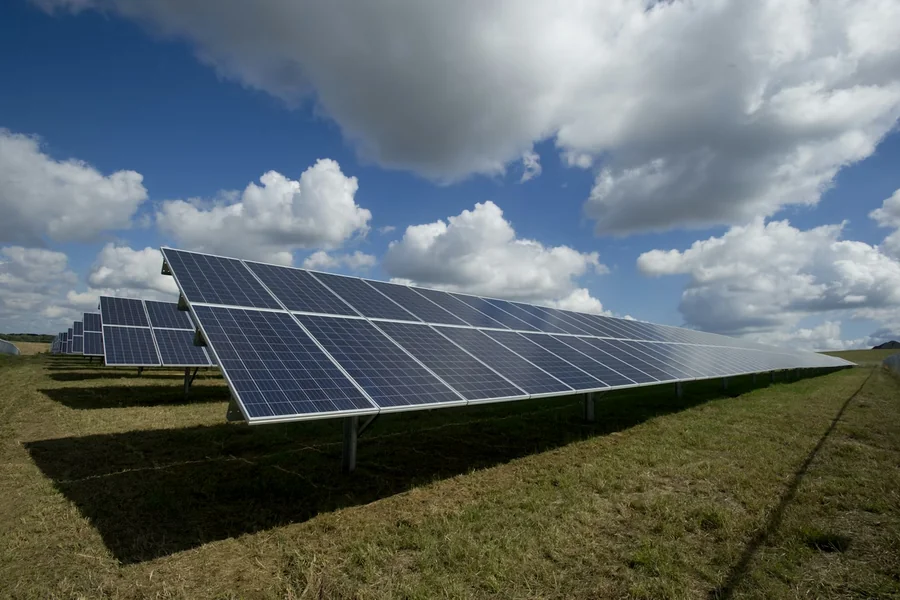
In the modern business landscape, the pursuit of sustainability and operational efficiency has become a central concern. Commercial solar panel installations have emerged as a transformative solution, offering enterprises the opportunity to reduce costs while demonstrating a commitment to environmental stewardship. By integrating solar technology, businesses can significantly alter their energy consumption practices, promoting cleaner, renewable energy usage that aligns with long-term strategic goals.
The Strategic Value of Commercial Solar Panels
Commercial facilities often face high energy demands, historically met through conventional, non-renewable sources. This reliance carries environmental implications and exposes businesses to fluctuating energy costs. Solar panels offer a practical and sustainable alternative, harnessing sunlight, a renewable and abundant resource, to generate electricity. Advances in solar technology have made installations increasingly efficient and cost-effective, enabling businesses to reduce carbon footprints, achieve energy autonomy, and secure long-term savings.
Technological Advancements Driving Adoption
The appeal of commercial solar installations has been strengthened by significant technological progress. Modern solar panels boast higher energy conversion efficiency, ensuring that more sunlight is converted into usable electricity. Innovations in photovoltaic materials and system configurations have reduced both installation and maintenance costs, while sophisticated energy storage solutions, including advanced battery systems, allow businesses to store surplus energy for use during off-peak periods. These developments make solar systems a practical and reliable addition to commercial operations.
Economic Benefits and Incentive Programmes
The financial advantages of solar panels are compelling. While initial installation represents a capital investment, businesses typically experience substantial reductions in electricity expenses over time. Additionally, governments and local authorities often provide incentives such as tax rebates, grants, or other financial support to encourage the transition to renewable energy. Beyond direct cost savings, solar installations can enhance property value, creating a measurable return on investment that extends well beyond energy bill reductions.
Planning and Installation Considerations
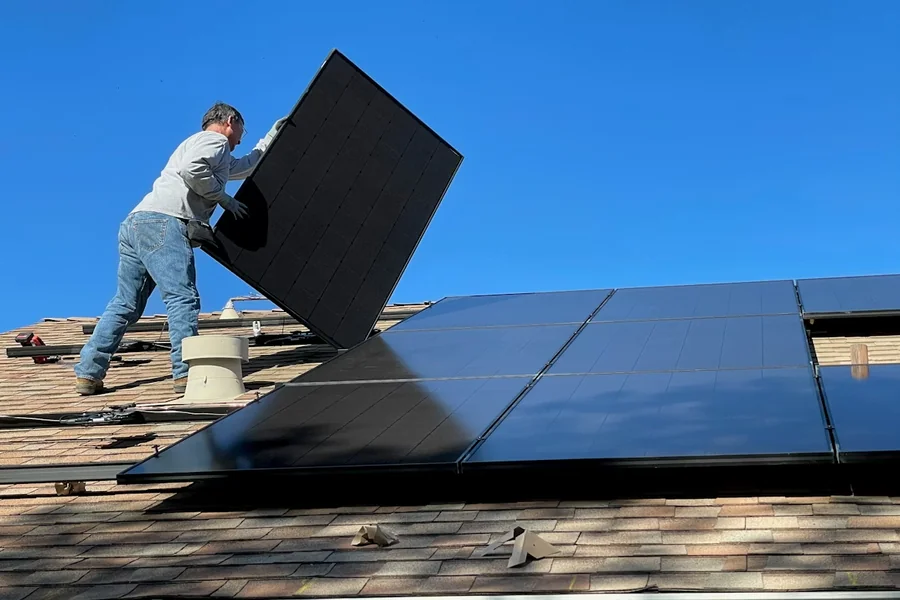
Successful commercial solar adoption requires meticulous planning. Businesses must assess their energy requirements, select suitable technology, and evaluate structural capabilities for panel installation. Many companies rely on professional solar service providers to manage the entire process, from site evaluation and system design to installation and ongoing maintenance. Expert guidance ensures that systems are optimised for maximum energy production and financial efficiency.
Maintaining Optimal Performance
To realise the full benefits of solar energy, ongoing performance management is essential. Regular maintenance, including cleaning and inspection, prevents common issues such as debris accumulation or shading, which can reduce energy output. Monitoring systems enable businesses to track energy generation in real-time, allowing for rapid response to performance concerns. Predictive maintenance strategies further enhance system reliability by identifying potential faults before they result in costly downtime.
Overcoming Intermittency with Energy Storage
A key challenge of solar energy is its dependency on sunlight, which can be intermittent. Integrating energy storage solutions, such as lithium-ion or flow batteries, addresses this limitation by storing surplus energy generated during sunny periods for later use. This ensures a consistent energy supply, reduces reliance on the grid, and increases operational resilience. For commercial enterprises, energy storage translates into greater energy independence and long-term cost stability.
Supporting Corporate Sustainability Goals
Adopting solar energy aligns with broader corporate social responsibility objectives. Beyond financial considerations, many businesses now seek to demonstrate a positive environmental and social impact. Transitioning to solar power reinforces a company’s commitment to sustainable development, enhancing brand reputation and fostering customer loyalty. It also positions organisations as industry leaders in environmental stewardship, setting benchmarks for peers and stakeholders alike.
Future Outlook for Commercial Solar
The adoption of commercial solar technology is poised for continued growth. Technological innovations, declining installation costs, and supportive policy frameworks are driving wider uptake. As businesses increasingly recognise the dual benefits of cost savings and environmental impact reduction, solar solutions are becoming an integral component of strategic planning. The trajectory points toward a future where renewable energy adoption is not only practical but also a standard expectation for responsible enterprises.
Addressing Implementation Challenges
Despite widespread benefits, certain constraints can arise, including limited roof space, shading from nearby structures, or architectural restrictions in heritage buildings. Tailored solutions, such as ground-mounted arrays or customised panel placements, enable businesses to overcome these obstacles. Engaging experienced solar providers ensures that installations are designed to maximise energy output without compromising structural or aesthetic requirements.
Conclusion
Commercial solar panel installations represent more than technological advancement; they signify a strategic investment in the future. By combining financial savings, environmental responsibility, and technological innovation, businesses can reshape their energy practices while contributing to global sustainability goals. As the commercial sector increasingly embraces renewable energy, solar panels stand out as a vital tool for driving efficiency, enhancing brand value, and leading the transition to a cleaner, more sustainable energy landscape.
