Transforming Your Space: The Art and Science of Outdoor Furniture
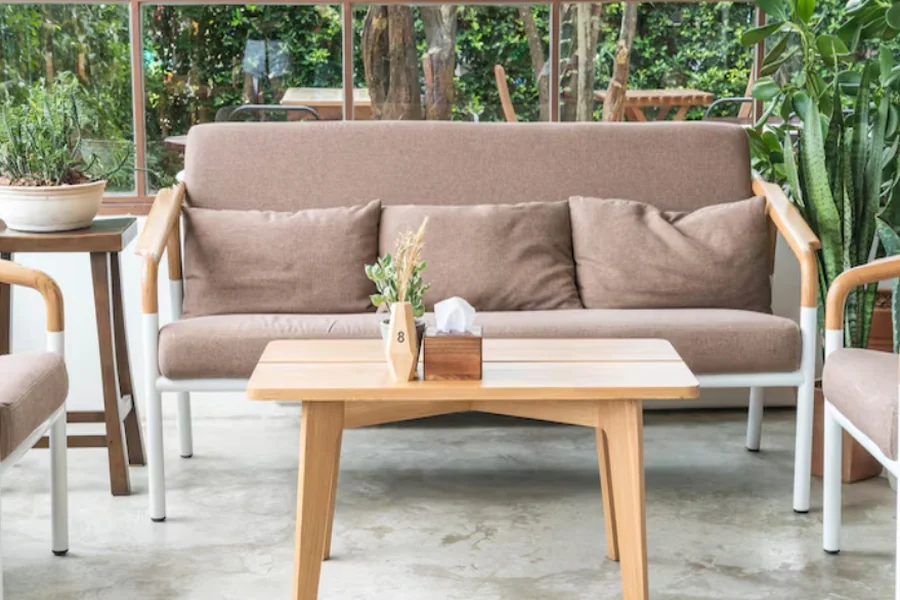
In an era where the line between indoor and outdoor living spaces becomes increasingly blurred, an investment in the perfect outdoor furniture shop gains importance. As homeowners seek to transform their patios, gardens, and balconies into extensions of their home’s interior, the spotlight on innovative and functional outdoor furniture grows ever brighter.
Understanding Materials and Durability
When selecting outdoor furniture, understanding the materials is crucial. Furniture designed for outdoor use must withstand the elements, from intense UV exposure to heavy rain and humidity. Common materials include teak, aluminium, synthetic rattan, and wrought iron, each with unique benefits and maintenance needs.
Teak is renowned for its durability thanks to its dense grain and natural oils, which provide resistance to decay and pests. Over time, teak develops a silvery patina, adding character without compromising quality. Aluminium, on the other hand, offers a lightweight and rust-resistant alternative, making it ideal for those who frequently rearrange their outdoor setup. Synthetic rattan combines the classic appearance of natural rattan with increased resistance to UV rays and moisture, ensuring longevity with minimal upkeep. Wrought iron provides a sturdy, classic option, ideal for windy areas, though it requires regular maintenance to prevent rust.
Ergonomics and Comfort: Ensuring Enjoyment in the Great Outdoors
Creating an outdoor haven is not solely about aesthetics; comfort and functionality are paramount. Ergonomically designed furniture tailored for outdoor use can transform even a simple patio into a relaxation oasis. Opt for chairs and loungers with contoured designs that support natural posture, complemented by plush, weather-resistant cushions.
Innovative designs now incorporate materials like memory foam adapted for outdoor use, providing a blend of luxury and durability. The emphasis is on creating spaces where comfort meets style, serving both practical and aesthetic purposes.
Sustainable Choices: Eco-Friendly Outdoor Furniture
In the quest for sustainability, eco-conscious outdoor furniture is gaining attention. Many manufacturers now offer pieces made from recycled materials such as plastic and wood, promoting sustainable living without sacrificing style or durability.
Bamboo, a rapidly renewable resource, offers a compelling alternative to traditional wood. Its natural resistance to moisture and pests makes it suitable for outdoor environments, and its rapid growth rate makes it an environmentally friendly option.
Maximising the life of outdoor furniture by opting for sustainably sourced or recycled materials not only supports the planet but also ensures that each purchase is an investment into a greener future.
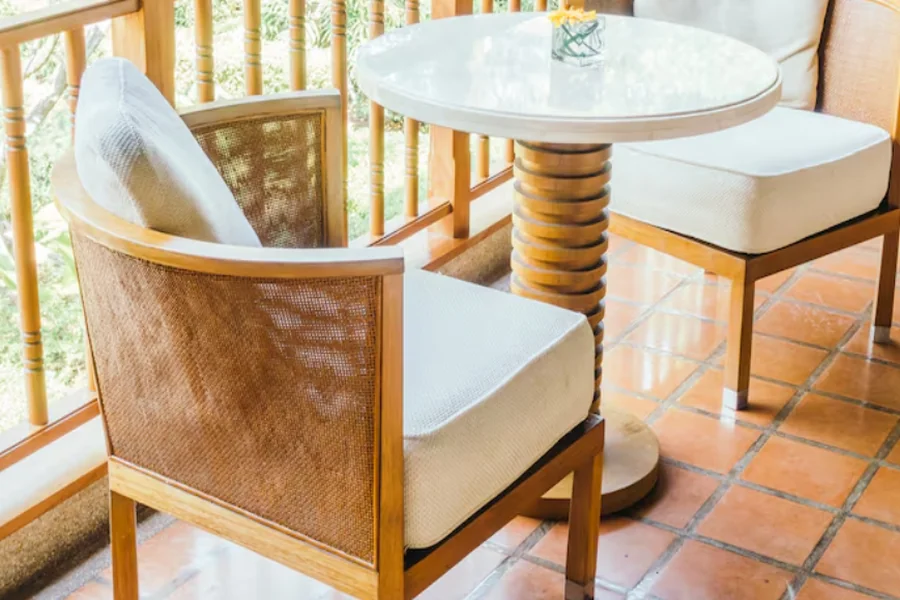
The Evolution of Design: From Traditional to Modern
Outdoor furniture design has evolved beyond traditional wooden benches and wrought iron chairs, embracing contemporary aesthetics tailored for a variety of tastes. Modern styles incorporate sleek lines and minimalist approaches, often blending materials like metal and glass for a sophisticated look.
Modular furniture has also revolutionised outdoor settings, allowing for customisable arrangements that adapt to any occasion. These pieces offer flexibility, allowing homeowners to reconfigure their spaces according to their needs, whether hosting a large gathering or enjoying an intimate alfresco dinner.
Maintenance: Keeping Your Furniture in Top Condition
Proper maintenance is essential to extend the life of outdoor furniture. Regular cleaning with non-abrasive solutions helps remove dirt and prevent stains. Most wooden furniture benefits from an annual application of oil or sealant to preserve its natural finish and protect against water damage.
Metal furniture often requires anti-rust coatings to maintain their appearance and structural integrity, especially in coastal areas with high salinity. For synthetic materials, warm soapy water usually suffices to keep the furniture looking as good as new, with occasional spot treatments for any persistent dirt.
Investing time in maintenance translates into a prolonged life span for the furniture, ensuring that it remains a central feature of outdoor enjoyment year after year.
Planning Your Outdoor Space: Creative Arrangements
Designing an outdoor area involves more than just selecting furniture; it’s about creating an environment that complements lifestyle and space. Start by defining the purpose of the area—whether it’s a dining, lounging, or entertainment space—and choose furnishings that will accommodate these needs.
Consider creating zones for different activities: a dedicated dining area could feature a robust table and chairs, while a lounging space could be appointed with chaise lounges or a comfortable outdoor sofa. Additions such as outdoor rugs, potted plants, and ambient lighting can further enhance the atmosphere, ensuring a seamless transition from indoor to outdoor living.
Utilising Technology: The Smart Outdoor Experience
Technology has found its way into outdoor spaces, offering a smarter, more connected living experience. Weather-resistant outdoor speakers, Wi-Fi boosters, and even solar-powered charging stations are becoming popular additions. These technologies enhance the enjoyment of the outdoor environment, whether streaming music or keeping devices powered during a garden party.
Moreover, incorporating lighting solutions such as solar-powered lanterns or LED lights with motion sensors can improve both security and aesthetics, creating a welcoming environment after dark.
Outdoor Cooking and Dining: Bringing Kitchens Outside
The trend of outdoor kitchens is gaining momentum, reflecting a shift towards blending cooking and socialising in open-air settings. Built-in grills, wood-fired ovens, and even countertops with sinks can transform a garden into a fully functioning kitchen space, perfect for hosting gatherings or simply enjoying family meals under the sky.
Coupled with dining furniture designed to weather outdoor conditions, these setups allow for culinary exploration and leisure combined, making them a valuable addition for those who love to entertain.
The Role of Colour: Influencing Mood and Space
Colour plays a significant role in the design of outdoor spaces, influencing mood and spatial perception. Neutral tones can expand a small patio, creating an illusion of space and tranquillity, while bolder colours can energise a setting, making it feel vibrant and lively.
Cushions and accessories provide an easy way to introduce colour into outdoor spaces, allowing for personal expression and style. Whether through deep blues that echo the sea or rich terracottas that reflect the sun, these hues add character and personality to any arrangement.
In conclusion, choosing the perfect pieces from an outdoor furniture shop involves a blend of practical considerations and personal tastes, ensuring each space meets both functional needs and aesthetic desires.
