Understanding the Benefits of Composite Decking
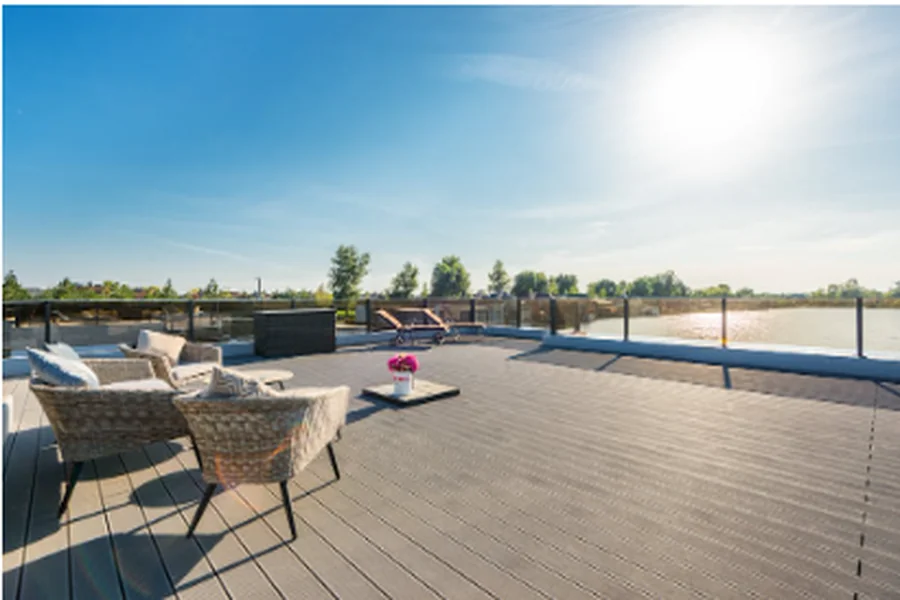
In recent years, the construction and renovation industry has witnessed a significant shift towards sustainable and low-maintenance materials. One of the standout innovations in outdoor living spaces is composite decking, a modern solution that combines durability with aesthetic appeal. This material has rapidly gained popularity due to its numerous advantages over traditional wood decking, making it an ideal choice for homeowners and builders alike.
Composition and Manufacturing Process
Composite decking is crafted from a blend of wood fibres and plastic. The precise mixture typically consists of a significant percentage of recycled plastics, such as polyethene or polypropylene, combined with sawdust or other wood by-products. This unique composition provides composite decking with properties that are superior to those of conventional wood.
The manufacturing process involves forming the composite material into boards through extrusion or moulding techniques. This method enables manufacturers to produce customised shapes and profiles, which can include textures that mimic the appearance of natural wood. Furthermore, the controlled manufacturing ensures consistent quality and reduces the likelihood of defects commonly found in natural wood products.
Durability and Longevity
One of the foremost reasons for the growing preference for traditional decking materials is composite decking’s robust durability. Unlike natural wood, composite boards do not succumb to rot, warping, or insect infestations. This inherent resistance significantly extends the lifespan of decking installations, often surpassing twenty-five years with minimal maintenance.
Additionally, composite decking is designed to withstand harsh weather conditions without suffering from the swelling or shrinking associated with temperature and humidity fluctuations. This stability is particularly beneficial in regions experiencing diverse climatic conditions, ensuring that decks remain safe and visually appealing throughout the year.
Environmental Considerations
Environmental sustainability is a critical concern for many individuals and industries today. Composite decking addresses this issue by incorporating recycled materials in its production. This not only reduces waste plastic in landfills but also minimises the demand for virgin timber resources, thereby limiting deforestation.
Furthermore, the production of composite decking generates lower carbon emissions than traditional hardwood alternatives. Since the decks require less frequent replacements due to their durability, the long-term environmental impact is significantly curtailed. In keeping with eco-friendly practices, many manufacturers also employ energy-efficient processes and seek certification for their environmental management systems.
Maintenance and Cleaning
Ease of maintenance is another compelling advantage of composite decking. These decks are resistant to the staining and fading that often plague traditional wood surfaces. As a result, they do not require regular sealing, staining, or painting, which significantly reduces upkeep costs and time commitment.
Cleaning a composite deck is straightforward; periodic washing with soapy water and a gentle brush typically suffices to maintain its appearance. Unlike wood, composite materials do not support mould or mildew growth, thus preserving hygiene and safety without the need for harsh chemical treatments.
Aesthetic and Design Flexibility
A common misconception is that composite decking lacks the natural allure of traditional timber. However, advancements in technology have led to the production of composite boards that closely resemble the grain patterns and hues of various wood species. This allows homeowners to enjoy the aesthetic charm of wood without compromising on durability.
Moreover, composite decking offers considerable design flexibility. It is available in a wide array of colours, textures, and finishes, enabling customisation to fit any architectural style or personal preference. The versatility extends to the construction of decks with intricate patterns and designs, thus enhancing the visual appeal of outdoor spaces.
Safety Features
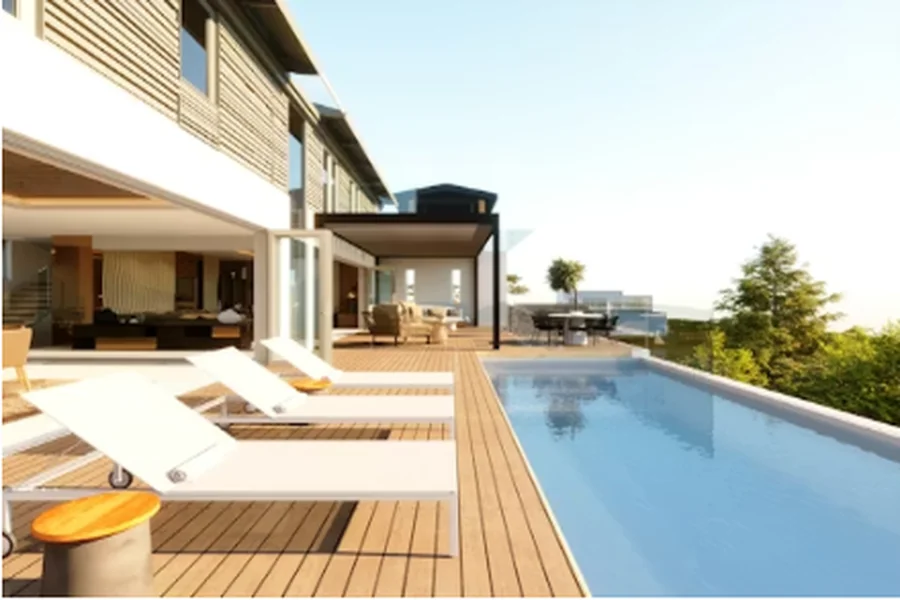
Safety is an essential consideration for outdoor decking areas, especially for families with children or elderly members. Composite decking offers several safety features that enhance its appeal. For instance, it is engineered to have a slip-resistant surface, reducing the risk of accidents, even in wet conditions.
Additionally, by not splintering like traditional wood, composite decking presents no threat of injury from sharp fragments. The stable and even surface ensures it remains barefoot-friendly, providing a comfortable walking experience throughout its lifecycle.
Economic Considerations
While the initial cost of composite decking may be higher than that of traditional wood, the long-term financial benefits make it an economically sound investment. Given its resistance to wear and weather, homeowners save considerably on maintenance expenses over the years.
The extended lifespan and reduced need for repairs or replacement contribute to the overall value of composite decking. Consequently, the cost amortised over its lifespan often turns out to be lower than that of natural wood alternatives. Additionally, composite decking can potentially increase property value by enhancing the aesthetic and functional appeal of homes.
Conclusion
Although this exploration is not exhaustive, it showcases the diverse advantages of adopting composite decking in modern outdoor living spaces. Consumers increasingly value sustainability, durability, and aesthetic versatility, all of which are embodied in composite decking. The innovation in materials and design continues to drive this product’s popularity, offering a practical and long-lasting solution for creating beautiful, inviting, and functional outdoor environments. Whether for new construction or renovations, composite decking remains a compelling choice, shaping the future of property enhancement and outdoor leisure.
