What to Know About Waste‑Water and Drain‑Vent Systems
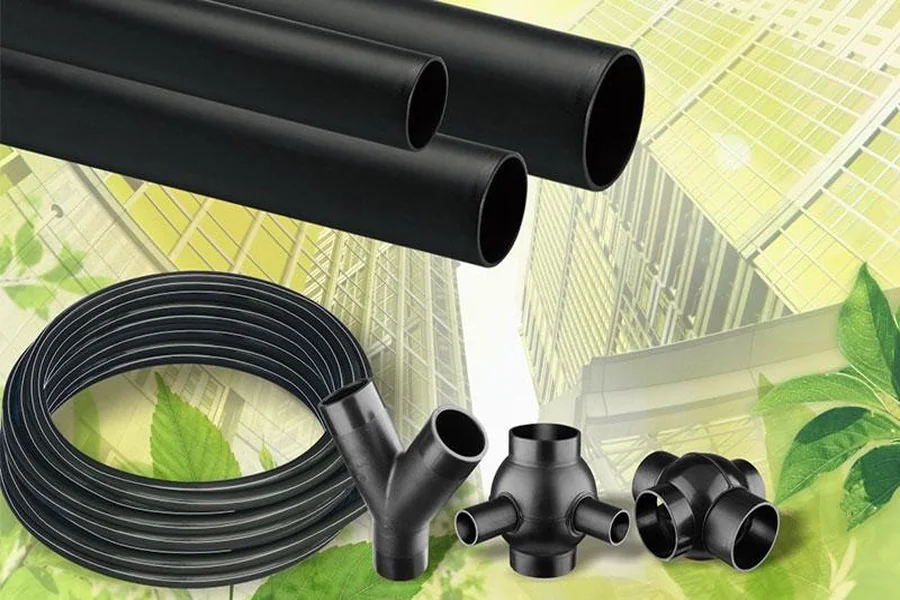
Properly managing waste-water and drain-vent systems is essential for maintaining a safe and functional home or commercial building. These systems carry away used water, sewage, and other waste materials from plumbing fixtures, while venting allows air to circulate and prevents dangerous gases from accumulating. A poorly maintained or incorrectly installed system can result in frequent clogs, unpleasant odors, or even structural damage due to leaks or backflow. We will explore the key components, functions, and maintenance considerations of these systems to help homeowners and property managers understand how to keep them operating efficiently, minimize costly repairs, and ensure occupants’ health and safety.
Understanding Drain-Vent Systems
Drain-vent systems combine drainage pipes and venting mechanisms to ensure that water flows freely while harmful gases are safely expelled. Each fixture in a building, from sinks to toilets, connects to the main drain line, which eventually leads to a sewer or septic system. Vent pipes, often running vertically through walls and exiting through the roof, allow air to enter the plumbing system, preventing vacuum formation that could slow or stop drainage. These vents also carry sewer gases safely outside, reducing the risk of exposure indoors. The interaction between drains and vents is crucial because even a small blockage in a vent can cause slow draining, gurgling noises, or water being siphoned from traps. For homeowners or property managers in the area, professional plumbing in Summerville ensures that these systems remain clean, unobstructed, and functioning efficiently, safeguarding both sanitation and overall system performance.
Drainage Pipes:
Drainage pipes are the main channels that carry wastewater away from fixtures. Typically made of PVC, ABS, or cast iron, these pipes vary in diameter depending on the fixture type. For example, toilet drains are larger than sink drains to accommodate solid waste. Proper installation requires correct sloping, usually around 1/4 inch per foot, to maintain gravity flow and prevent standing water, which can encourage bacterial growth or odors. Regular inspection and cleaning of these pipes helps prevent clogs caused by grease, hair, or debris. Homeowners should also avoid pouring chemicals that can erode pipe materials or react negatively with existing waste.
Vent Pipes:
Vent pipes are as important as drains because they allow air into the system, balancing pressure and enabling smooth water flow. Without vents, drains can become slow, and traps may be emptied unintentionally, allowing sewer gases to escape into living spaces. Proper venting involves connecting vent pipes to each fixture or branch of the system and ensuring they terminate above the roofline for safety. It is important to check vents for blockages caused by debris, leaves, or even small animals, as any obstruction can reduce system efficiency and lead to maintenance issues.
Traps:
Traps are curved sections of pipe beneath sinks, tubs, and other fixtures that hold water to create a seal against sewer gases. Traps prevent gases from entering the building while allowing wastewater to pass through. Their function depends on proper venting and slope; incorrect installation can cause siphoning, which empties the trap and exposes indoor spaces to odors and bacteria. Regularly using water in seldom-used fixtures keeps traps filled and functioning. Additionally, periodically cleaning traps can remove buildup that may cause slow drainage or unpleasant smells.
System Layout:
The overall layout of a drain-vent system determines how efficiently water moves and how effectively gases are vented. Modern plumbing codes provide standards for pipe sizes, vent placement, and slope requirements to ensure consistent flow and safety. Complex layouts, such as multi-story buildings or additions, may require loop vents, vent stacks, or additional branch connections to maintain proper pressure. Proper planning and adherence to code prevent recurring problems such as gurgling fixtures, slow drainage, or sewer gas intrusion. Knowing the layout helps property managers and homeowners identify potential problem areas for maintenance or repair.
Maintenance Practices:
Maintaining a drain-vent system requires regular inspection and care. Simple practices, such as using drain screens, avoiding disposing of grease or food waste down sinks, and flushing drains with hot water, can prevent clogs. Periodic professional inspections help identify slow-developing issues like tree root intrusion, pipe corrosion, or vent blockages. Cleaning vents and drains before problems escalate reduces the need for emergency repairs. Understanding the system’s components allows property owners to take preventive action, ensuring long-term efficiency and safety for all occupants.
Waste-water and drain-vent systems are integral to building safety, sanitation, and overall functionality. A proper understanding of drainage pipes, venting, traps, and system layout helps prevent common plumbing problems such as slow drains, foul odors, and leaks. Routine maintenance, including inspections and simple preventive practices, ensures these systems continue to operate effectively and safely over time. Awareness of these systems, combined with proactive care, supports healthier indoor environments and reduces the risk of costly repairs, providing confidence that water and waste management within a property remains reliable and efficient.
