When Age Meets Injury at Work: How Older Employees Can Protect Their Workers’ Comp Claim
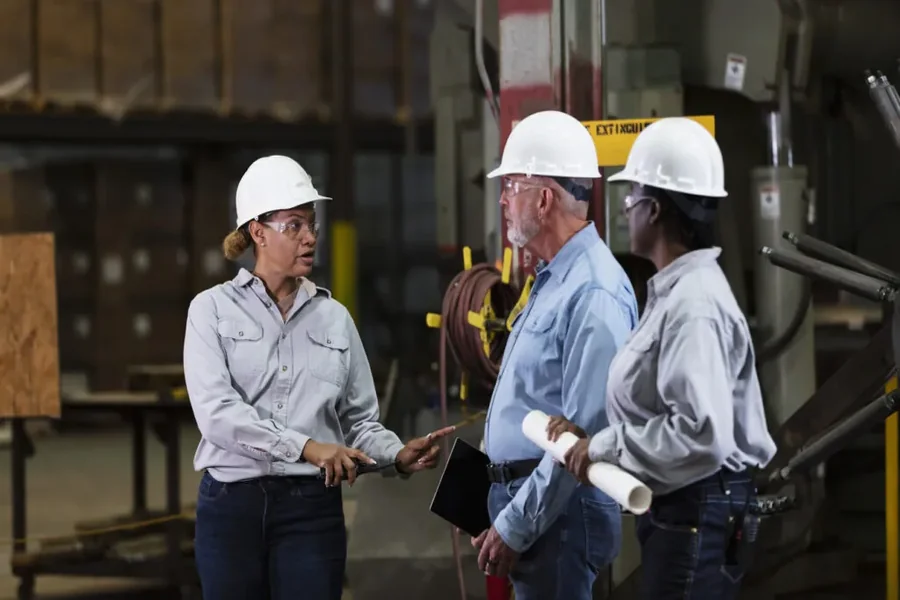
Getting hurt at work is stressful at any age. But for older workers, a job injury can bring extra problems that younger workers may not face in the same way. Recovery may take longer. A past injury or long-term health issue may get dragged into the conversation. Insurance companies may try to argue that pain is caused by age instead of the job. That can make an already hard situation feel even more frustrating.
The good news is that older workers still have the right to fair workers’ compensation benefits, and https://www.workerscompensationattorneyorangecounty.com can be a helpful option when a claim needs to be handled with more care, better records, and a stronger plan from the start.
Why workers’ comp claims can get more complicated with age
As people get older, their bodies naturally change. Bones may not be as strong as they once were. Joints may already have some wear and tear. Healing can also take more time. That does not mean an injury is not work-related. It just means the facts need to be explained clearly.
This is one of the biggest problems in workers’ comp cases involving older employees. A worker may suffer a real injury after a fall, lifting accident, or repetitive task, but the insurance company may try to say the pain comes from aging or a pre-existing condition instead. That argument can delay benefits or reduce what the worker receives.
Older workers are also more likely to have long work histories in physical jobs. Years of lifting, bending, climbing, standing, or using tools can take a toll over time. In many cases, a work injury is not a brand-new problem out of nowhere. It may be the moment that pushes an already stressed body past its limit. That still matters in a workers’ comp claim.
The difference between a pre-existing condition and a work injury
A lot of people think having arthritis, back pain, or an old knee problem means they cannot file a claim. That is not true. In many cases, workers’ comp can still apply if the job made the condition worse.
That point is very important. If work activities aggravated, accelerated, or worsened a condition, the worker may still qualify for benefits. For example, a warehouse employee with mild back issues may still have a valid claim if heavy lifting at work causes severe pain and limits movement. The issue is not whether the worker had a prior condition. The issue is whether the job made it worse.
This is where medical records become a big deal. Clear notes from doctors can help show what changed, when it changed, and how the work accident or job duties played a role. Without that detail, the insurance company may try to blur the line and deny responsibility.
Fun fact: The average person has more than 200 bones in the body, and many of them work together every time you lift, twist, climb, or even sit at a desk.
Why reporting the injury quickly matters even more
Many older workers try to push through pain. Some do it because they are tough. Some do it because they do not want to let their team down. Others worry they will look weak or fear that speaking up could affect their job.
That delay can hurt a claim.
When an injury is reported late, the insurance company may question whether it really happened at work. They may ask why the worker waited days or weeks to say something. They may even suggest the injury happened somewhere else. Reporting the injury right away helps create a clear timeline and makes it easier to connect the condition to the job.
It also helps to tell the doctor exactly how the injury happened. Small details matter. Was it a fall on a wet floor? Pain after moving heavy boxes? Numbness from years of repeated overhead work? The more exact the worker is, the stronger the record becomes.
Medical care can be a bigger part of the fight
For older workers, medical treatment is often the center of the claim. That is because recovery can be slower and may involve more appointments, therapy, testing, or specialist care. Insurance companies do not always like long treatment plans, especially when they think they can blame age for the slow progress.
That does not mean the worker is doing anything wrong. It simply means the medical side of the case needs close attention.
It helps to keep copies of appointment notes, test results, work restrictions, and prescription records. It also helps to follow the treatment plan. Missing appointments or ignoring medical advice can give the insurer an excuse to challenge the claim.
Fun fact: Muscles do not just help with strength. They also help protect joints and support balance, which is one reason physical therapy can be so important after a work injury.
Returning to work may not be simple
Going back to work after an injury can be hard for anyone, but it may be harder for an older employee in a physically demanding role. A doctor may approve light duty, but the employer may not have the right kind of job available. Even if a worker can return, the same tasks that caused the injury in the first place may no longer be safe.
This can create stress about pay, job security, and the future.
Some older workers are also closer to retirement, which can make the claim more complicated. Insurance companies may try to use that fact against them by suggesting they planned to stop working anyway. That is not fair, and it is not the full story. Many people work well past traditional retirement age, whether by choice, necessity, or both. A job injury can still cause real financial harm.
How workers’ compensation lawyers can help older workers
This is where workers’ compensation lawyers can be a real source of support. A good workers’ compensation lawyer understands that age-related arguments are common in these cases. They know how insurers try to shift blame away from the workplace. Just as important, they know how to push back with medical evidence, legal strategy, and a clear explanation of the facts. If you want to see who serves this area, the details just below will point you in the right direction:
Workers’ compensation lawyers can help gather records, deal with insurance adjusters, explain deadlines, and protect the worker from common mistakes. If benefits are denied or delayed, they can help file the right appeals and fight for fair treatment. For an older worker who is already dealing with pain, fear, and lost income, that support can make a huge difference.
Lawyers in these cases are not just there for court fights. They often help people understand what is happening and what steps to take next. That kind of guidance matters when the process feels confusing or stacked against the worker.
Smart steps older workers can take after an injury
A strong claim often starts with a few simple actions. Report the injury as soon as possible. Get medical care right away. Be honest and detailed when describing symptoms. Keep records of everything. Follow the doctor’s instructions. And if the claim becomes difficult, talk to a workers’ compensation lawyer sooner rather than later.
Older workers bring experience, skill, and value to the job every day. They deserve the same protection as anyone else when they get hurt at work. Age may complicate a workers’ comp claim, but it does not erase a worker’s rights. With the right medical proof, careful documentation, and help from a trusted workers’ compensation lawyer, older employees can put themselves in a much stronger position and move forward with confidence.
