Why Adventure-Style Visuals Keep Casual Games Engaging
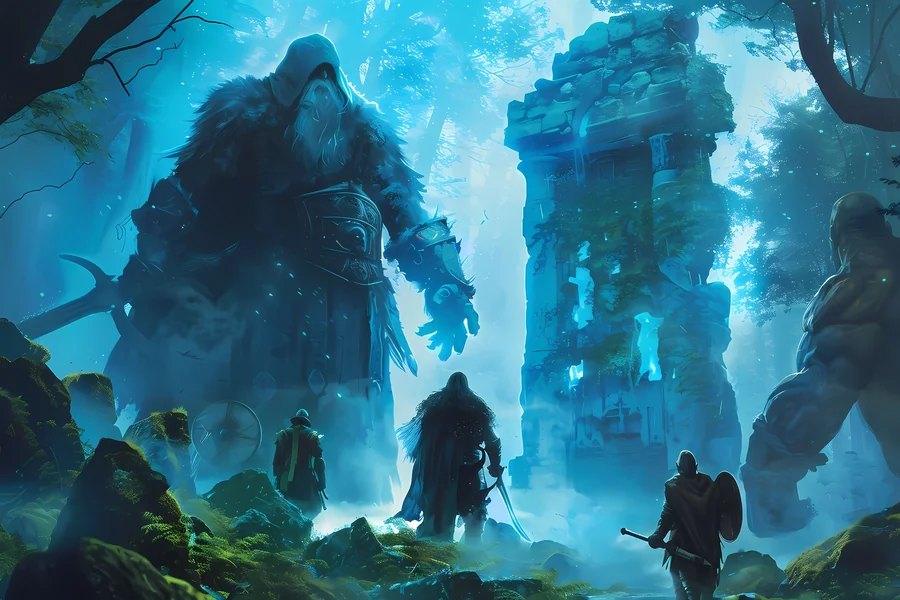
Casual games succeed or fail quickly based on how they feel in the first few moments, and visuals play a decisive role in shaping that experience. Adventure-style visuals have become a key tool for developers aiming to engage players without overwhelming them. They use the language of exploration, discovery, and storytelling while staying accessible to a wide audience.
Unlike highly abstract or purely functional art styles, adventure-inspired visuals suggest a world that exists beyond the immediate mechanics. Forest paths, distant mountains, ancient ruins, or cozy villages all hint at the possibility. For casual players who may only play in short sessions, that sense of possibility is often what turns a quick distraction into a habit.
They Improve Shareability and Brand Identity
Strong adventure visuals give casual games a clear and consistent visual identity. When a game presents a distinctive world or theme, it becomes easier to recognize. This matters in crowded marketplaces where players often decide whether to explore further based purely on visuals.
Slot games also benefit from this approach when they move beyond generic symbols and lean into world-building. Games like Mo Mummy Mighty Pyramid use adventure-driven settings to create a sense of place around its gameplay. The environment, themed symbols, and visual progression work together to communicate tone and theme instantly.
This clarity carries over into screenshots and short clips, which are often the first touchpoints for new players. Adventure-inspired visuals quickly convey mood and promise without explanation, making content easier to share and remember. When visuals are tied to a strong sense of adventure, the game feels less interchangeable and more likely to stand out over time.
They Instantly Spark Curiosity
Adventure-style visuals are designed to provoke questions. When players see winding paths, locked gates, or distant landmarks, they naturally wonder what lies beyond them. This curiosity does not rely on complex instructions or text, making it ideal for casual audiences.
Visual cues like partially revealed maps or mysterious structures motivate players to continue. Even basic mechanics feel more engaging when the environment hints at hidden discoveries. Curiosity becomes a self-sustaining motivator that works alongside gameplay.
Because curiosity is emotional rather than analytical, it lowers the barrier to engagement. Players do not need to understand systems or strategies to feel pulled forward. They simply want to see what is next.
They Make Progress Feel Like a Journey
Progress in casual games can easily feel repetitive if it is only measured by numbers or levels. Adventure-style visuals transform progress into movement through space, themes, or environments. Each step forward feels like traveling rather than grinding.
New areas, changing scenery, or evolving landmarks give players visual proof of advancement. This reinforces the feeling that time spent playing has meaning beyond accumulation. Progress becomes something players can see and remember. This sense of journey helps maintain motivation over time. Even when mechanics stay simple, the evolving world keeps experiences fresh. Players are not just completing levels; they are moving forward.
They Balance Simplicity With Depth
Casual games rely on simple mechanics to be fun, but too much simplicity can become boring. Adventure-style visuals add perceived depth without increasing complexity. The environment adds richness, so gameplay remains easy to learn.
Layered visuals allow players to focus on core actions while still feeling immersed. Background details, environmental storytelling, and visual variety add interest without demanding attention. This balance is critical for players who want relaxation, not challenge overload.
They Encourage Longer Play Sessions Naturally
Adventure-style visuals often introduce anticipation as a form of motivation. When players glimpse new environments or partially unlocked areas, they feel encouraged to continue playing. The desire to reach the next visual milestone becomes a gentle push forward.
This motivation feels organic rather than forced. Instead of relying on timers or constant prompts, the game lets visual discovery do the work. Players stay longer because they want to see more, not because they feel pressured. Longer sessions emerge naturally from this design approach. Players lose track of time as they move through visually engaging spaces. The experience feels rewarding rather than demanding.
Making Casual Play Meaningful
Adventure-style visuals help casual games feel more rewarding and memorable. They give players a sense of place and progress, even during short play sessions. Simple actions feel more satisfying when they happen in a world that invites exploration. This approach keeps players engaged without making the game harder or more demanding. When casual play feels meaningful, players naturally want to come back.
