Gold Bars: A Timeless Investment from Ancient Wealth to Modern Portfolios

As seasoned investors and collectors understand, investing in precious metals is a timeless strategy for wealth preservation. Many people choose to buy gold bars because they have long been a symbol of wealth across cultures and eras due to their tangible nature and historical stability. Unlike paper currencies or complex financial instruments, gold bars provide a physical asset that can be securely stored and traded.
Historical Significance of Gold Bars
Gold has fascinated people for thousands of years. It was one of the first metals humans learned to work with, and its value has remained strong throughout history. Ancient civilisations often used gold bars to store wealth, exchange in important transactions, or present as gifts to royalty and noble families. The Egyptians, Greeks, and Romans all recognised the lasting value of gold. In many of these societies, gold bars played an important role in trade and also symbolised wealth and power.
The Process of Turning Ore into Bars
To fully understand the appeal of gold bars, it is essential to appreciate the arduous process of transforming raw gold ore into the pure bars we see today. Mining for gold often takes place in remote locations, with the ore extracted from the earth needing to undergo crushing and chemical treatment. Through smelting and refining, impurities are removed, achieving the recognised purity levels of investment-grade bars. This transformation process highlights not only the rarity of gold but also the human industry required to bring such a valuable product to market.
Gold Bars in the Modern Economy
In today’s economy, gold bars continue to play a crucial role. They are a cornerstone of central banks’ reserve assets, possessing the universal acceptance necessary for international trade and monetary stability. Investors continue to be attracted to gold bars as a hedge against inflation, geopolitical instability, and currency devaluation, appreciating their durability and liquidity. The predictability and low correlation of gold with other asset classes make it an essential component of a diversified investment portfolio.
The Purity and Weight of Gold Bars
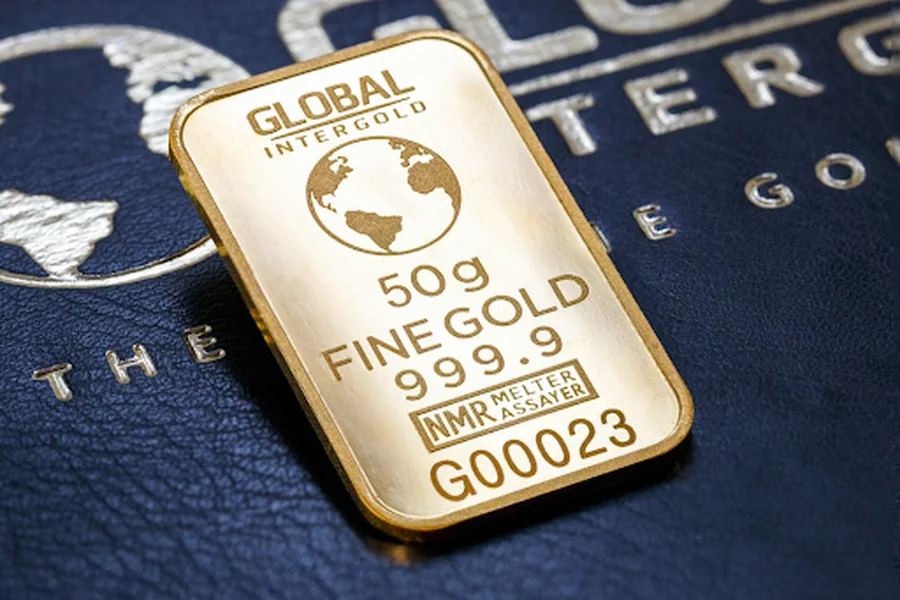
Gold bars come in varied sizes and weights, accommodating different buyers’ needs. Purity is a key consideration, with most investment-grade bars featuring a purity level of 99.5% (24 carats) or higher. The price of a gold bar will naturally vary according to its weight, purity, and current market conditions. Moreover, buying larger bars typically incurs less premium per ounce, making them cost-effective for substantial investments, even if smaller bars offer more flexibility.
Assessing Security and Authentication
A primary advantage of gold bars is the peace of mind they afford due to their tangible nature. Unlike digital assets susceptible to cyber threats, gold bars can be physically secured in a safe or vault. Nevertheless, it is essential to acquire bars from reputable dealers who provide certification to verify the bar’s authenticity and quality. Methods such as serial numbering, distinct engravings, and, increasingly, blockchain technology, help trace the provenance and certification of each bar.
Buying Gold Bars: A Strategic Investment
Investors aiming to incorporate gold bars into their portfolios must consider several factors, including the intended duration of the investment, storage solutions, and liquidity needs. When comparing gold bars with other forms of gold, such as coins or jewellery, bars often stand out for their lower premium over the market price of gold. This makes them an appealing choice for those focusing on maximising investment returns rather than aesthetic or collectable value.
Innovative Technologies in Gold Bar Transactions
The evolution of technology has streamlined the process of buying and selling gold bars. Digital platforms now enable easier access to market information and transaction facilities. These platforms provide real-time pricing updates, market analysis, and even facilitate peer-to-peer transactions. As such, the modern investor is less reliant on traditional methods, with increased transparency and efficiency innovating the precious metals market.
Regulatory Considerations for Buyers
Prospective buyers of gold bars should be aware of the regulatory environment surrounding precious metals trading. It is vital to understand any tax implications, legal requirements, and reporting standards related to gold ownership and transactions. Regulation ensures market integrity but can differ substantially across jurisdictions. Consulting with financial advisors or legal experts familiar with precious metals can be beneficial for navigating these complexities.
The Growing Interest in Ethical and Sustainable Gold
In recent years, there has been increased interest in ethical and sustainable sourcing of gold. Investors and consumers are becoming more aware of the environmental and social impact of gold mining and appreciate the value of purchasing responsibly sourced gold. Ethical certification schemes are gaining traction, offering greater assurance that purchased gold is free from conflict and produced with minimal environmental degradation.
Conclusion
In the current economic climate, gold bars represent a reliable store of value with a deep history and tangible security. Understanding everything from the historical context to the practical considerations of purchasing and securing these bars is crucial for potential investors. While gold bars offer predictability and a hedge against uncertainties, making well-informed, strategic choices ensures that investors harness the full potential of this venerable asset.
