Why Antique Jewellery Remains A Valuable Investment in Today’s Market
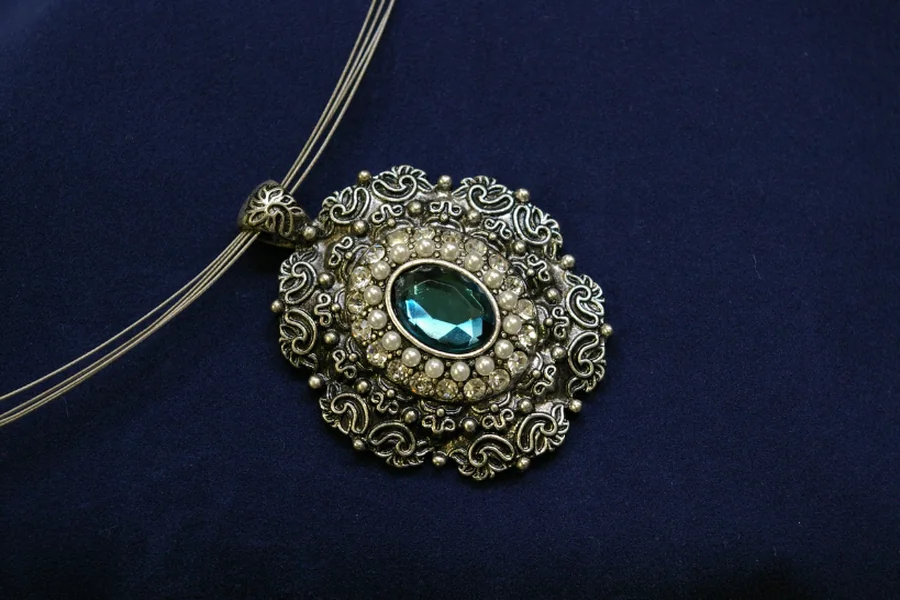
Investors today are rethinking how they diversify wealth. Traditional portfolios built around stocks and bonds still matter, but many people are also turning toward tangible assets that hold long-term value. Items such as art, rare watches, and antique jewellery offer something financial instruments cannot provide: a physical asset with both cultural and monetary significance. These pieces combine craftsmanship, rarity, and historical relevance, which makes them appealing to investors who want stability alongside beauty.
Antique jewellery fits neatly into this shift toward tangible investing. Collectors and financial advisors often refer to it as a wearable investment because it offers both personal enjoyment and the potential for long-term appreciation. Australia has developed a strong reputation in this market, particularly through established dealers who specialize in curating historically significant pieces. For investors, the key is understanding the details that determine value, including craftsmanship, gemstone quality, and the historical period in which the piece was made. These elements transform jewellery from a decorative item into a serious luxury asset.
Identifying High-Value Antique Jewellery in the Global Market
The antique jewellery market is international and highly specialized. Investors must look beyond appearance and focus on indicators that signal long-term value. Important details include maker’s marks, era-specific design features, and gemstone authenticity. Hallmarks stamped into precious metals often reveal the country of origin, the metal’s purity, and, sometimes, the workshop that produced the piece.
Because the market can be complex, many investors rely on specialists who curate historically significant collections and verify authenticity. While the international marketplace offers countless options, sourcing from reputable dealers who deal in Australia’s finest antique jewellery helps ensure that pieces meet strict standards of craftsmanship and documentation. Trusted dealers also evaluate gemstone treatments, the originality of settings, and restoration history, all of which influence long-term investment potential.
Intrinsic Value vs. Resale Premium: Understanding What Drives Price
Every piece of antique jewellery carries two forms of value. The first is intrinsic value, which comes from the precious metals and gemstones themselves. Gold, platinum, and diamonds all maintain measurable market prices based on weight and quality. This baseline value provides financial security because the materials themselves retain value even if the collector market fluctuates.
The second layer of value comes from historical significance and collector demand. Jewellery created during notable design periods or by recognized workshops often sells for far more than the value of its raw materials. Factors such as original gemstone cuts, untouched settings, and rare colored stones can dramatically increase resale potential. Investors who understand these distinctions can identify pieces that offer stronger long-term appreciation.
The Scarcity Principle: Why Limited Supply Drives Market Demand
Scarcity plays a major role in the antique jewellery market. Unlike modern jewellery, which can be reproduced in large quantities, authentic antique pieces are limited in number. Jewellery from historical periods such as Victorian, Edwardian, and Art Deco represents craftsmanship from specific moments in time. As more pieces enter private collections or museums, fewer remain available for purchase.
Collectors often focus on distinctive features that define each era. Victorian jewellery often features symbolic motifs and intricate goldwork, while Edwardian pieces highlight platinum filigree and delicate settings. Art Deco jewellery stands out for its geometric design and contrasting gemstones. Because these characteristics cannot be truly replicated, genuine examples continue to attract strong demand from collectors and investors.
The Quality of Craftsmanship: The “Lost Arts” of Historic Jewellery Making
Many antique jewellery pieces reflect techniques that are rarely used in modern production. Earlier jewellers worked largely by hand, which allowed them to produce intricate details that machines cannot easily replicate. Techniques such as hand engraving, millegrain edging, and delicate filigree required years of training. These methods created pieces that feel structurally refined and visually complex.
Collectors often value these details because they signal true craftsmanship. For example, hand-cut diamonds such as Old Mine or Old European cuts were shaped individually rather than standardized by machines. Skilled artisans also built settings by hand to suit each stone. This level of craftsmanship often results in stronger long-term collectability because it represents a style of production that is increasingly rare.
Market Resilience: Antique Jewellery During Economic Volatility
Antique jewellery has historically performed well during periods of financial uncertainty. Unlike stocks that respond quickly to market sentiment, luxury collectibles often maintain value because they are tangible and scarce. Precious metals and gemstones provide a base level of worth, while collector demand can support prices even when broader markets fluctuate.
Investors often classify antique jewellery alongside other portable assets, such as fine art, rare coins, and vintage watches. These items appeal to buyers worldwide, which supports a stable resale market. Because demand exists across different regions and cultures, high-quality antique jewellery can remain liquid even when traditional investment sectors experience volatility.
Provenance and Documentation: Why History Adds Financial Value
The history behind a piece can significantly influence its investment potential. Provenance refers to the documented background of ownership, origin, and craftsmanship. When jewellery comes with clear records, buyers gain confidence that the piece is authentic and historically significant. This added credibility can increase interest among collectors and investors.
Documentation may include gemological certificates, appraisal reports, or hallmark verification from recognized experts. In some cases, a piece may also retain its original box or carry the signature of a notable jeweller. These details strengthen a piece’s market appeal by confirming its authenticity and preserving its historical narrative, both of which contribute to higher resale value.
Sustainability and Ethical Investing: The Rise of Circular Luxury
Many investors now consider environmental and ethical factors when choosing assets. Antique jewellery naturally fits within this approach because it relies on existing materials rather than newly mined resources. Purchasing older pieces reduces demand for additional mining and manufacturing, which aligns with broader sustainability goals.
This approach is often described as circular luxury. Instead of producing new items, collectors circulate historically significant pieces through resale and preservation. Investors appreciate this model because it combines environmental responsibility with financial value. Antique jewellery allows buyers to participate in the luxury market while supporting responsible consumption and heritage preservation.
